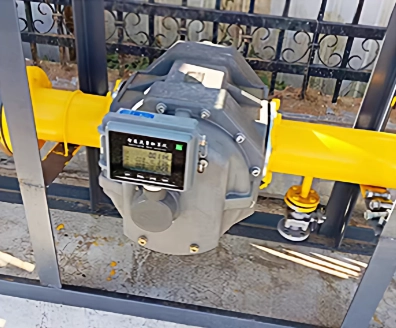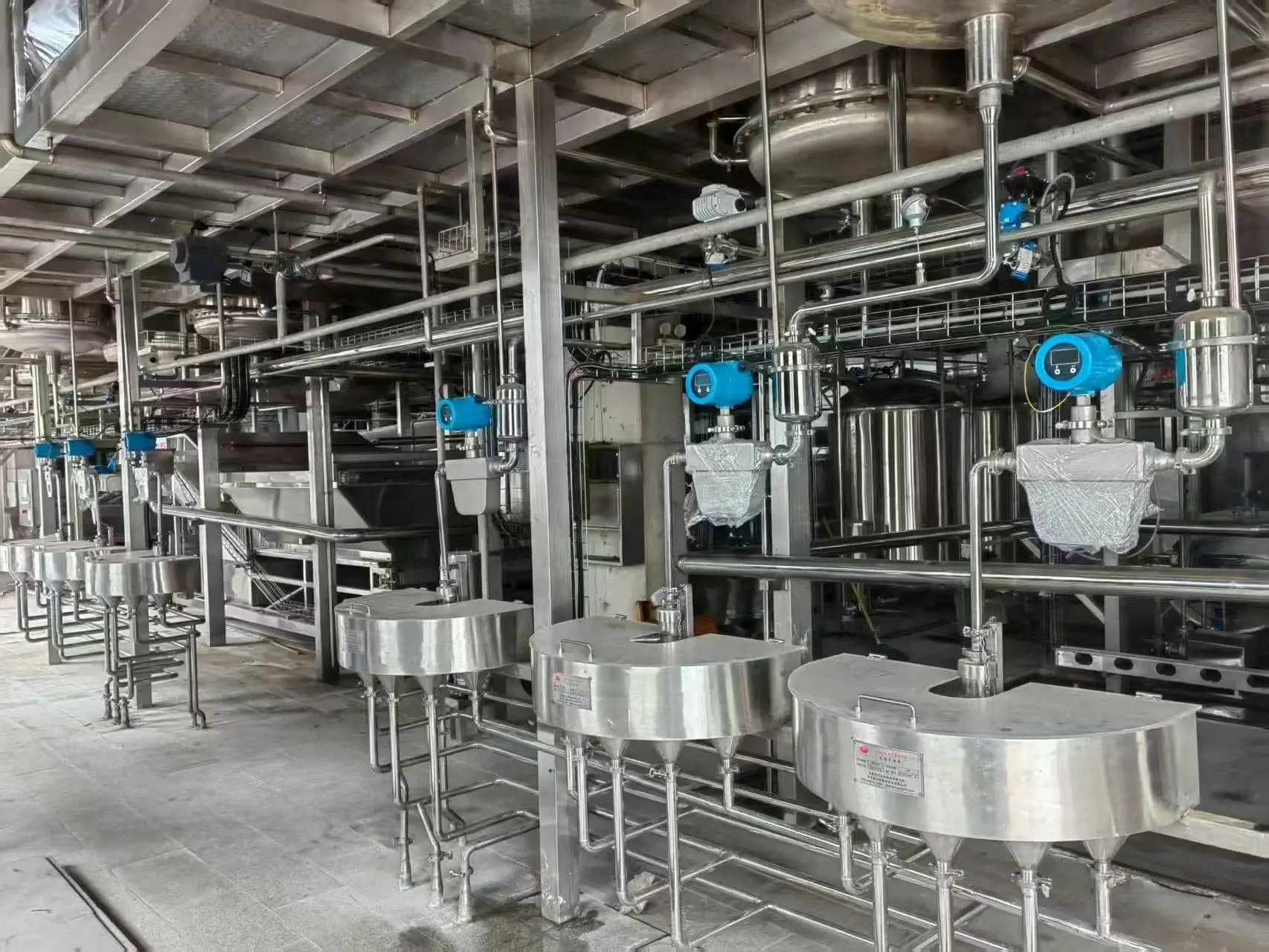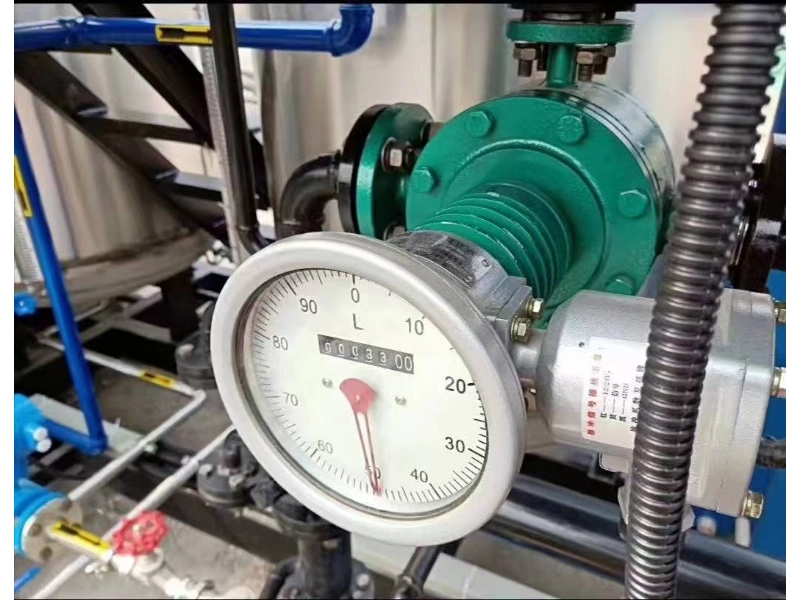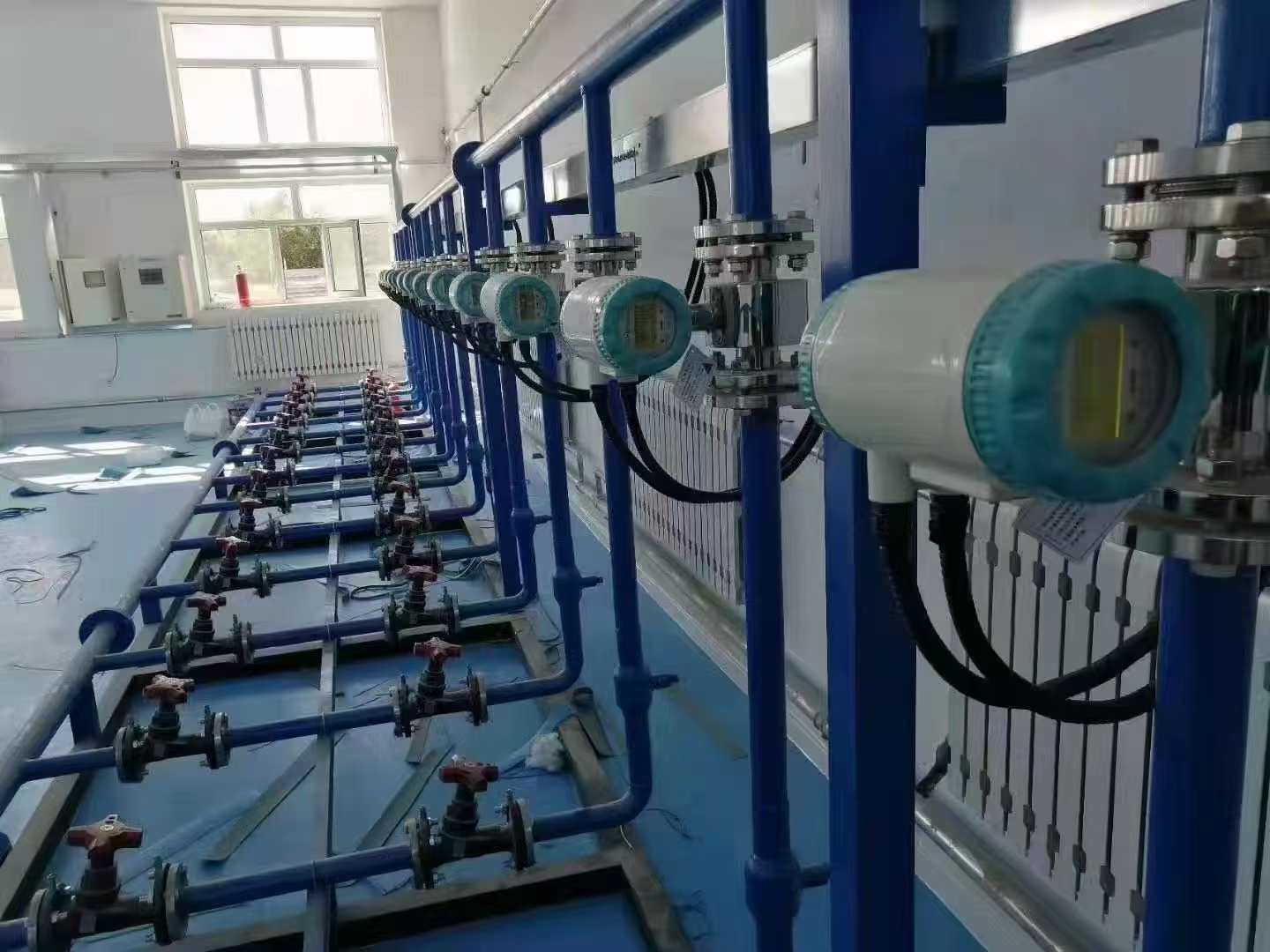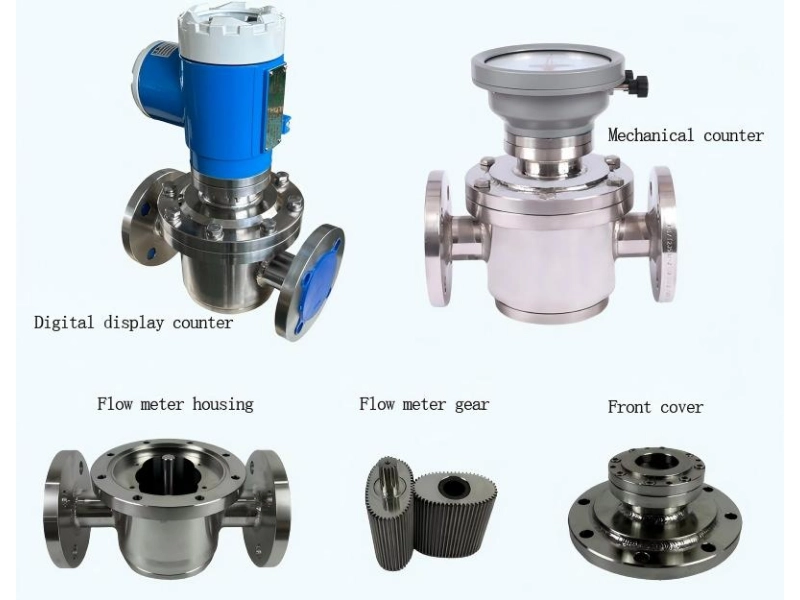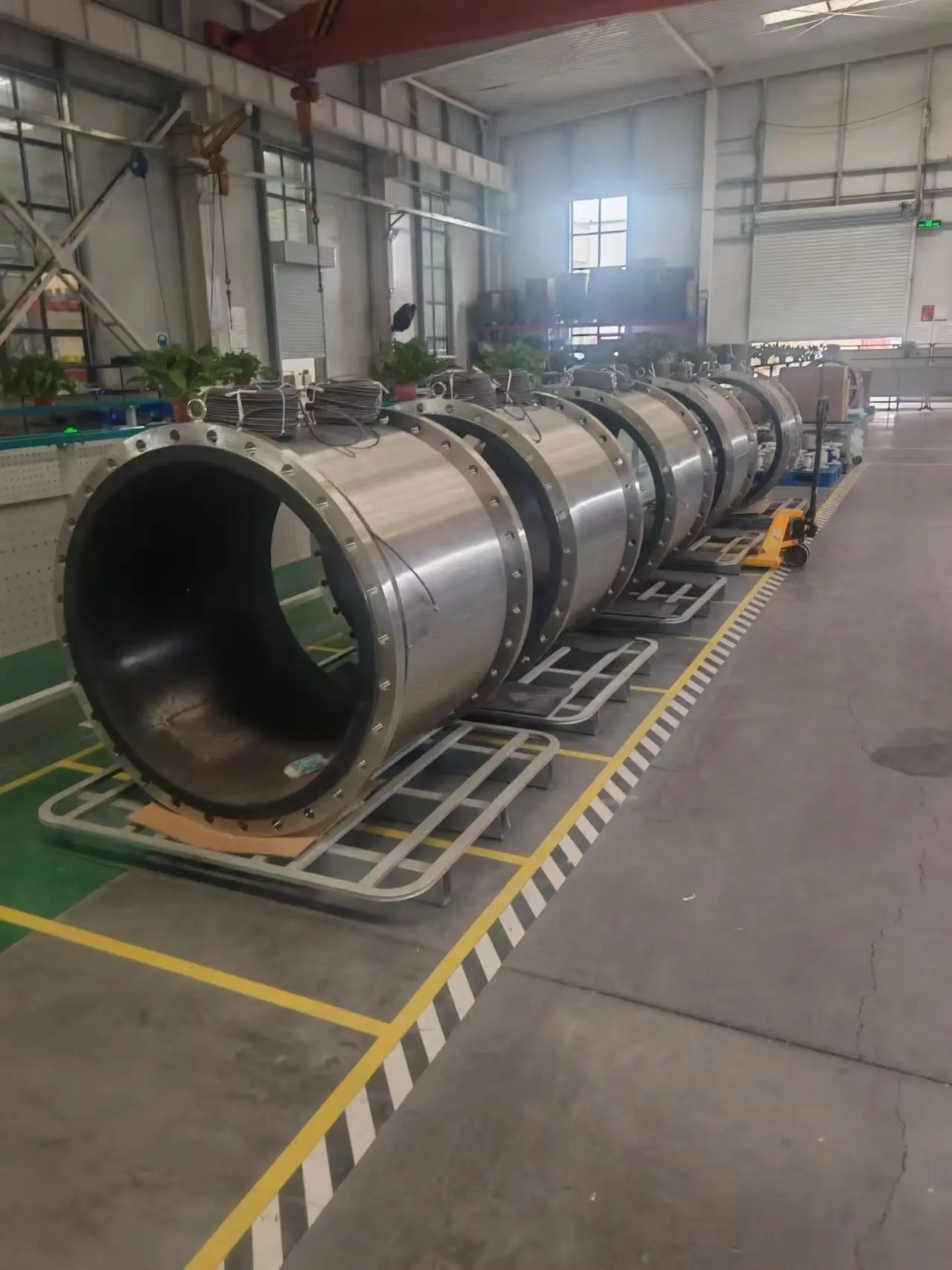






In sectors such as petroleum, chemicals, fuel transfer, and industrial liquid metering, both dual rotor flow meters and oval gear flow meters are common positive-displacement flow measurement devices. While both achieve volumetric measurement through mechanical displacement, they differ in terms of rotor structure, fluid transfer methods, operational characteristics, and suitable application conditions. For overseas buyers, understanding these differences helps in selecting the most appropriate industrial flow meter based on factors such as medium viscosity, flow rate range, accuracy requirements, and installation conditions.
Table of Contents
How do the working principles of dual rotor flow meters and oval gear flow meters differ?
Dual rotor flow meters typically utilize a pair of helical rotors that either mesh with each other or operate synchronously. As liquid enters the measuring chamber, it drives the rotors to rotate; the spaces formed between the rotors—and between the rotors and the chamber walls—create continuously changing metering volumes that transport specific quantities of liquid from the inlet to the outlet. By detecting the number of rotor rotations or the rotational speed, the instrument calculates the accumulated volume and instantaneous flow rate.
Oval gear flow meters employ a pair of precision-machined oval gears. Fluid pressure drives the gears to rotate, creating fixed-volume liquid pockets between the gears and the chamber walls; the process of capturing, transporting, and discharging the liquid repeats continuously during rotation. Fundamentally, this also achieves volumetric measurement through the repeated displacement of known volumes.
In short: Dual rotor flow meters emphasize continuous transfer and synchronous rotation facilitated by helical rotors, whereas oval gear flow meters perform metering using the fixed-volume spaces created between the oval gears and the chamber.
How do the two types of flow meters differ in terms of measurement accuracy and flow stability?
Both are positive-displacement flow meters capable of directly measuring the volume of liquid passing through the instrument; consequently, they generally offer excellent repeatability, making them particularly suitable for industrial applications requiring stable cumulative metering.
The helical rotor structure of dual rotor flow meters promotes smoother, more continuous liquid transfer, thereby reducing flow pulsation and operational noise. This design typically ensures superior operational stability, especially under conditions involving high flow rates or continuous transfer.
Oval gear flow meters feature a distinct relationship between the metering chamber and gear displacement, offering excellent adaptability for measuring low flow rates and medium-to-high viscosity liquids. Actual accuracy depends on factors such as flow range, medium viscosity, leakage clearance, manufacturing precision, calibration methods, and installation conditions; the final accuracy cannot be determined solely by the flow meter type.
Which flow meter is better suited for high-viscosity liquids?
Both types of flow meters can be used for liquids such as oils, lubricants, fuels, and resins, but their specific suitability depends on the model and the properties of the medium.
Oval gear flow meters are widely used for measuring relatively clean, high-viscosity liquids. Higher viscosity helps reduce internal fluid slippage; however, if the medium contains significant solid particles, impurities, or air bubbles, gear operation and measurement results may be affected.
Dual rotor flow meters are also suitable for a variety of industrial liquids, particularly in applications requiring continuous transfer, high flow rates, or low pulsation. When dealing with high-viscosity media, key factors to consider include rotor starting torque, allowable pressure drop, operating temperature, and actual flow range, rather than simply comparing nominal accuracy ratings.
What are the differences in pressure loss and maintenance requirements between dual rotor flow meters and oval gear flow meters?
Positive displacement flow meters rely on the movement of internal rotors to transfer liquid, which typically results in some pressure loss. The magnitude of this loss depends on medium viscosity, flow rate, rotor design, internal clearances, and meter size.
The continuous rotation design of dual rotor flow meters facilitates smooth fluid transfer, helping to reduce flow pulsation and mechanical shock in industrial pipelines. Oval gear flow meters feature a relatively compact design and a straightforward metering principle; however, the gears, bearings, and internal clearances must be maintained in good condition, as wear or the ingress of impurities can compromise accuracy.
For both types of equipment, the following factors should be considered during selection:
Actual flow range and maximum allowable flow rate;
Medium viscosity, temperature, and corrosiveness;
Pressure loss curve;
Filter or pre-filtration requirements;
Materials of construction for rotors, bearings, and seals;
Calibration, maintenance, and spare parts availability.
How should overseas buyers choose between dual rotor flow meters and oval gear flow meters?
For overseas buyers, selecting between a dual rotor flow meter and an oval gear flow meter requires a clear understanding of actual measurement needs, rather than relying solely on product names or a single accuracy parameter. Dual rotor flow meters are particularly suitable for projects involving high flow rates, continuous transfer, or stringent requirements for operational stability; conversely, oval gear flow meters are ideal for applications involving high-viscosity liquids or requiring precise volumetric measurement. Additionally, factors such as medium viscosity, operating temperature, pressure range, flow rate fluctuations, allowable pressure loss, material compatibility, and maintenance requirements should be comprehensively evaluated. As a liquid flow meter supplier in the industrial automation and flow measurement sector, Hefei Yutuo Automation assists overseas clients by analyzing technical suitability based on specific operating conditions, providing product selection guidance and application support to establish reliable industrial flow measurement solutions.
Both dual rotor and oval gear flow meters have their own specific application scenarios; there is no single “best” solution that suits every operating condition. Dual rotor flow meters are best suited for continuous transfer, operational stability, and high flow rate requirements, whereas oval gear flow meters are commonly used for high-viscosity liquids and precise volumetric measurement. When making a selection, it is essential to consider medium characteristics, pressure loss, materials, accuracy, maintenance costs, and supplier technical support to ensure the long-term, stable operation of the flow measurement system.