





Why Is a Differential Pressure Transmitter Needed in Central Air Conditioning Water Systems?
Release time: 2026-08-14
Table of Contents
Introduction
Central air conditioning systems depend on stable water circulation to transfer cooling or heating energy efficiently. Chilled water moves through pumps, pipes, valves, heat exchangers, and terminal units, and changes in pressure can affect how effectively the system operates. This makes differential pressure an important parameter for HVAC monitoring and control.
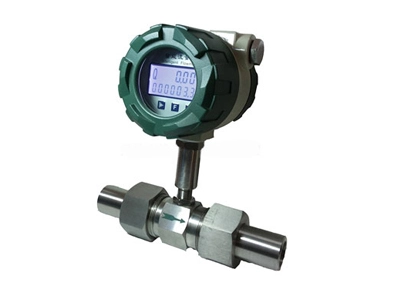
A differential pressure transmitter measures the pressure difference between two points and converts it into an electrical signal for a control or building management system. By providing real-time pressure information, it can help operators monitor water circulation, adjust pump operation, and identify abnormal conditions. Hefei Yutuo provides pressure measurement products, including differential pressure transmitters for industrial and process applications.

Why Is Differential Pressure Important in HVAC Water Systems?
In a chilled water system, pressure is not necessarily the same at the supply and return sides. The difference between these pressures reflects the operating condition of the water circulation system. When the pressure difference changes, it may indicate changes in water demand, valve position, pump performance, or flow resistance.
This information becomes particularly valuable in large buildings where cooling demand changes throughout the day. Instead of relying only on fixed pump settings, the control system can use differential pressure feedback to respond to actual operating conditions.
A suitable HVAC Pressure Monitoring system can therefore provide a clearer picture of water circulation and help operators manage the system more effectively.
How Does a Differential Pressure Transmitter Help Control Pumps?
Pump control is one of the main applications of differential pressure measurement in central air conditioning systems. When more air handling units or fan coil units require chilled water, the system may need greater circulation capacity. When demand decreases, continuously running pumps at high output can result in unnecessary energy consumption.
A differential pressure transmitter can provide feedback to a variable-speed pump control system. When the measured pressure difference changes, the controller can adjust pump speed according to the system requirements. This allows water circulation to respond more closely to actual cooling demand.
The transmitter does not reduce energy consumption by itself. Its value comes from providing reliable measurement data that can be used together with pumps, valves, controllers, and building automation systems.
Where Is the Transmitter Used?
The installation location depends on the design and control strategy of the HVAC system. Differential pressure measurement points may be arranged around chilled water pumps, supply and return pipelines, control valves, heat exchangers, or other areas where pressure differences provide useful information.
Correct installation is important because blocked impulse lines, leakage, incorrect connections, or unsuitable measurement ranges can affect the signal. The transmitter should therefore be selected according to the expected differential pressure, static pressure, water temperature, process connections, and required output signal.
For systems connected to a building management system or PLC, communication and electrical requirements should also be considered during equipment selection.
Why Choose the Right Differential Pressure Transmitter?
Not every transmitter is suitable for every HVAC application. A device with an inappropriate pressure range may provide poor measurement resolution, while unsuitable materials or connections may create reliability problems in long-term operation.
Hefei Yutuo provides Differential Pressure Transmitter solutions for applications requiring pressure difference measurement. The company focuses on industrial measurement and control equipment and can provide products according to different operating conditions and application requirements.
For HVAC applications, choosing suitable Pressure Transmitter can help ensure that the measurement signal works effectively with the control system. Proper selection, installation, and configuration are all important for maintaining stable system operation.
FAQ
What does a differential pressure transmitter measure in an HVAC system?
It measures the pressure difference between two points, such as the supply and return sides of a chilled water system.
Can a differential pressure transmitter control a water pump directly?
The transmitter normally provides a measurement signal to a controller, PLC, or building management system. The control system can then use this signal to adjust a variable-speed pump.
Where should a differential pressure transmitter be installed?
The location depends on the HVAC system design. Common measurement points include chilled water supply and return lines, pump systems, control valves, and other areas where pressure differences need to be monitored.
Why is differential pressure important for variable-flow systems?
Because water demand changes with cooling load, differential pressure feedback allows the control system to adjust pump operation according to actual system conditions rather than maintaining a constant output.