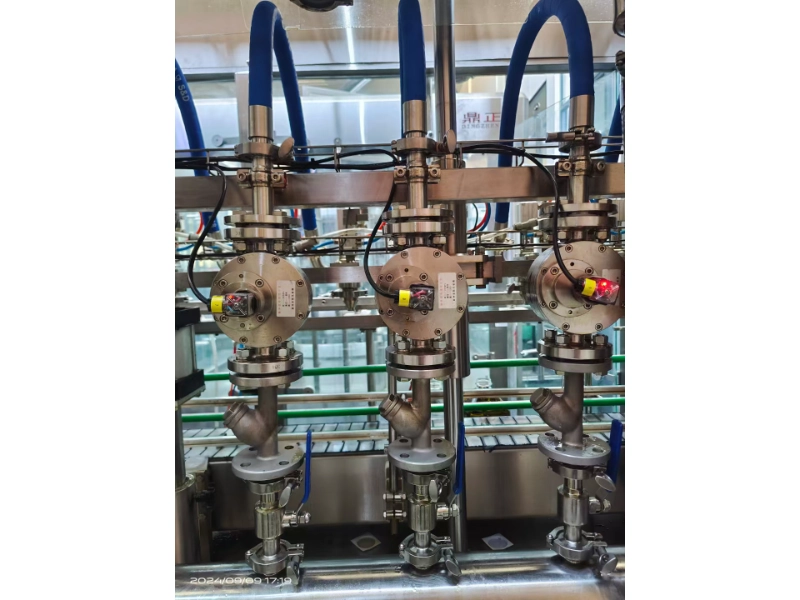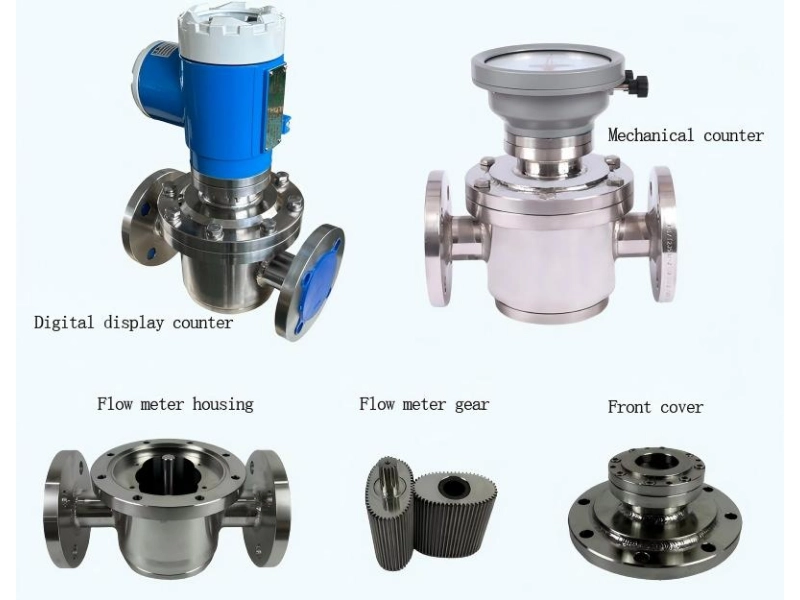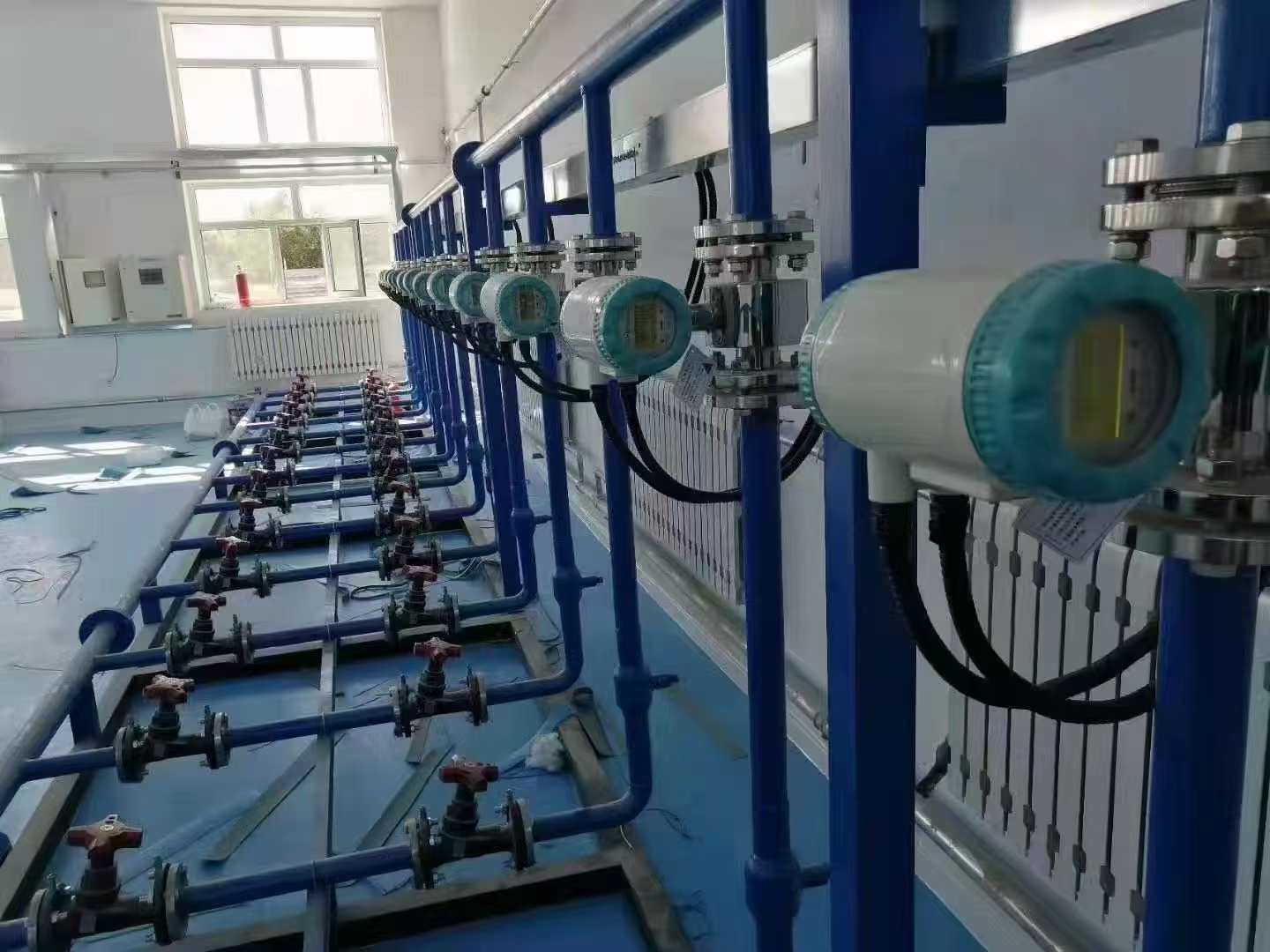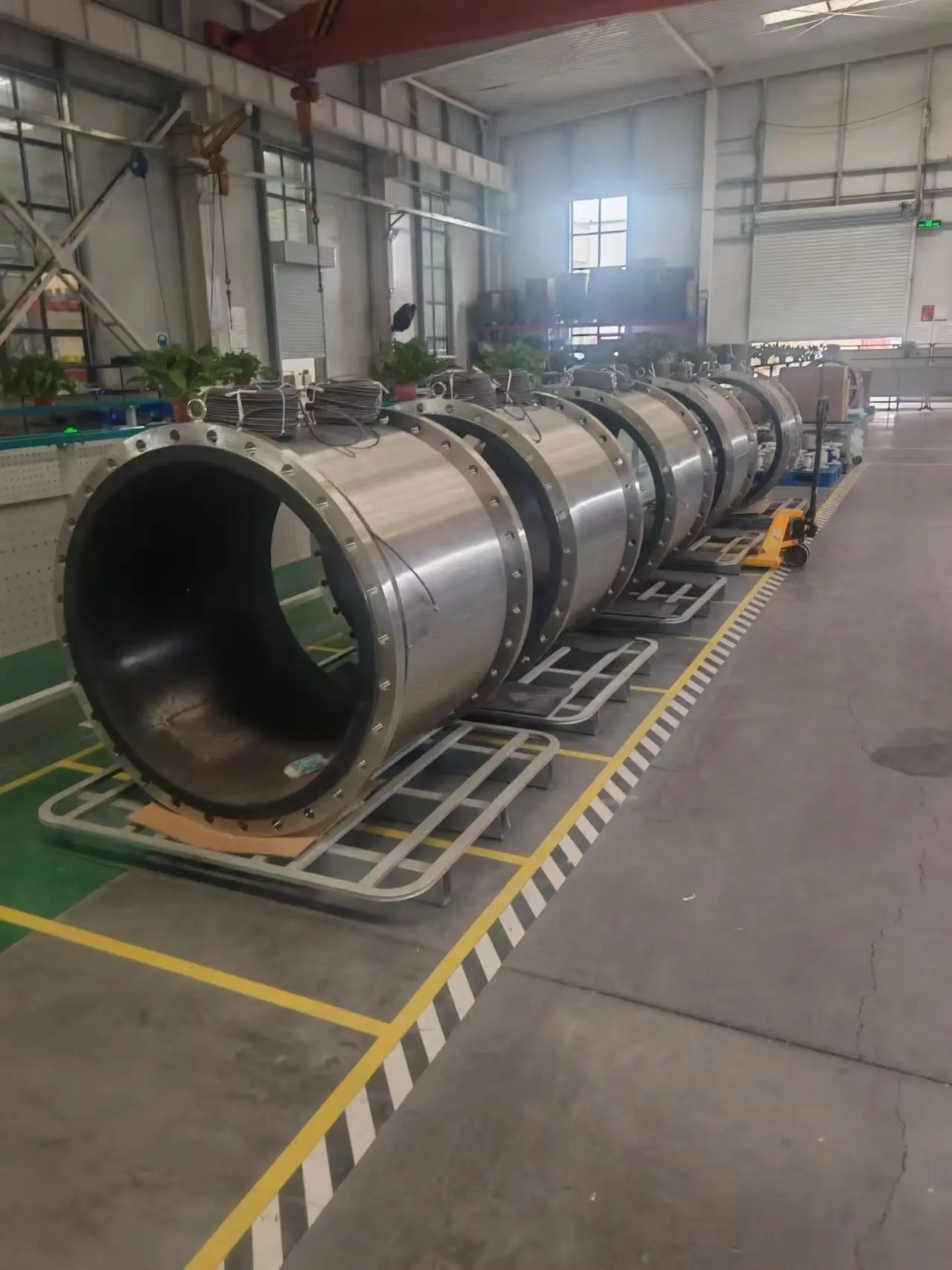






For overseas buyers looking to purchase dual rotor flow meters, selecting the right supplier is often more critical than simply comparing product prices. The same flow meter may require different structural designs and configurations depending on the specific medium, flow rate, pressure, and temperature conditions. Therefore, before finalizing a supplier, buyers should look beyond product accuracy and specifications to evaluate manufacturing capabilities, quality control, industry experience, technical support, and after-sales service. This helps minimize risks associated with procurement and long-term operation.
Table of Contents
Does the supplier truly understand the application conditions for the dual-rotor flow meter?
While dual rotor flow meters are commonly used for liquid volume measurement, equipment requirements vary by project. Applications such as fuel transfer, lubricating oil metering, chemical liquid transport, and custody transfer may prioritize different factors—such as flow range, viscosity compatibility, pressure loss, measurement accuracy, or long-term operational stability.
When evaluating a supplier, observe whether they proactively ask for details regarding the medium, viscosity, temperature, operating pressure, flow range, and installation method. If a supplier recommends a model based solely on a flow rate figure without verifying the medium and operating conditions, there is a significant risk of selecting an unsuitable model.
Are the product specifications comprehensive enough to support accurate model selection?
Reliable product documentation should provide more than just basic figures like pipe size, flow range, and accuracy. Overseas buyers also need information on rated operating pressure, temperature limits, pressure loss, connection types, materials of construction, seal configurations, signal outputs, and compatible media.
It is particularly important to note that a flow meter’s maximum flow rate does not guarantee consistent accuracy across all operating conditions. Actual measurement performance depends on factors such as medium viscosity, flow rate fluctuations, internal clearances, and calibration conditions. Suppliers who provide clear data sheets, selection criteria, and performance curves make it easier for buyers to assess product suitability, rather than relying on a simple comparison of advertised specifications.
Does the supplier possess stable manufacturing and quality control capabilities?
The machining precision of internal components, the fit of the rotors, and the quality of bearings and seals all directly impact the equipment’s operational status and measurement performance. For industrial procurement projects, a supplier’s possession of stable production processes is more indicative of quality than simply having a “large-scale factory.”
It is advisable to gain further insight into their machining and assembly processes, factory acceptance testing (FAT) protocols, and calibration methods, as well as their ability to provide inspection records linked to specific product serial numbers. For bulk orders, one should also verify the consistency of key parameters across different production batches. The ability to consistently deliver products that meet specifications is often more valuable than a one-time low price.
Do they have application experience relevant to the target medium and industry?
The sheer number of past cases a supplier has handled is not necessarily as important as the relevance of those cases to the current project. For instance, the selection criteria for a twin-rotor flow meter used to measure lubricating oil may differ significantly from those for equipment handling low-viscosity fuels or other industrial liquids.
Overseas buyers can ask suppliers to specify the media the products have handled, typical flow rate ranges, whether the equipment operates under fluctuating temperature or pressure conditions, and any specific challenges encountered. Authentic, detailed application data is usually far more valuable than vague claims like “suitable for various industrial scenarios.”
Are the technical support, delivery, and after-sales service clearly defined?
For overseas projects, a supplier’s service capabilities often directly impact procurement risk. Beyond the product itself, it is essential to clarify lead times, packaging methods, technical documentation, installation instructions, spare parts availability, and after-sales response mechanisms.
If the equipment requires integration with a PLC, flow control system, or remote monitoring platform, details regarding signal output, communication interfaces, and configuration should be confirmed in advance. For first-time buyers, a supplier’s ability to assist with verifying installation orientation, piping conditions, filtration requirements, and commissioning steps is also a crucial factor to consider.
How can one determine if a twin-rotor flow meter supplier is a good candidate for a long-term partnership?
Overall, a reliable double rotor flow meter supplier should strike a balance between product suitability, manufacturing quality, technical documentation, delivery capabilities, and after-sales support. Overseas buyers should prepare comprehensive details about their operating conditions before asking for model recommendations, technical specifications, and price quotes, rather than simply inquiring about the “cheapest model.”
For customers seeking industrial flow measurement solutions, Hefei Yutuo Automation is a supplier worth considering for further evaluation. By discussing specific process media, flow rate ranges, and system requirements, customers can more accurately assess the suitability of twin-rotor flowmeters and gain insight into product selection, technical support, and follow-up service arrangements. Ultimately, when choosing a supplier, the key factor is not merely the ability to deliver equipment, but the capacity to ensure the flow measurement system is effectively implemented and maintains stable, long-term operation.
Selecting a supplier for twin-rotor flowmeters essentially involves a comprehensive evaluation of products, technical expertise, and service capabilities. Overseas buyers should assess factors such as suitability for operating conditions, product specifications, manufacturing quality, application experience, delivery capabilities, and after-sales support, rather than basing decisions solely on price quotes. Hefei Yutuo Automation provides flow measurement products and technical support tailored to the customer’s specific media and operating conditions, assisting with optimal product selection and offering ongoing solutions for installation, operation, and maintenance.