

How to Select the Right Oval Gear Flow Meter Size Based on Flow Rate?
Release time: 2026-11-12
Selecting the right oval gear flow meter size requires evaluating the minimum, normal, and maximum flow rates of the application, along with liquid viscosity, operating pressure, and acceptable pressure drop. The selected meter should operate within its specified measuring range under actual working conditions. Proper sizing helps maintain measurement accuracy, minimize mechanical stress, and ensure reliable performance in industrial liquid measurement systems.
Table of Contents
Choosing the correct oval gear flow meter size is essential for achieving accurate and stable liquid flow measurement. For industrial buyers, selecting a meter based only on pipeline diameter or nominal flow rate may result in measurement errors, excessive pressure drop, or reduced operating efficiency. Factors such as flow rate fluctuations, liquid viscosity, operating temperature, and system pressure must also be considered. Understanding these parameters helps engineers and procurement teams identify a suitable flow meter for their specific applications.
Why Is Flow Range the First Factor in Oval Gear Flow Meter Selection?
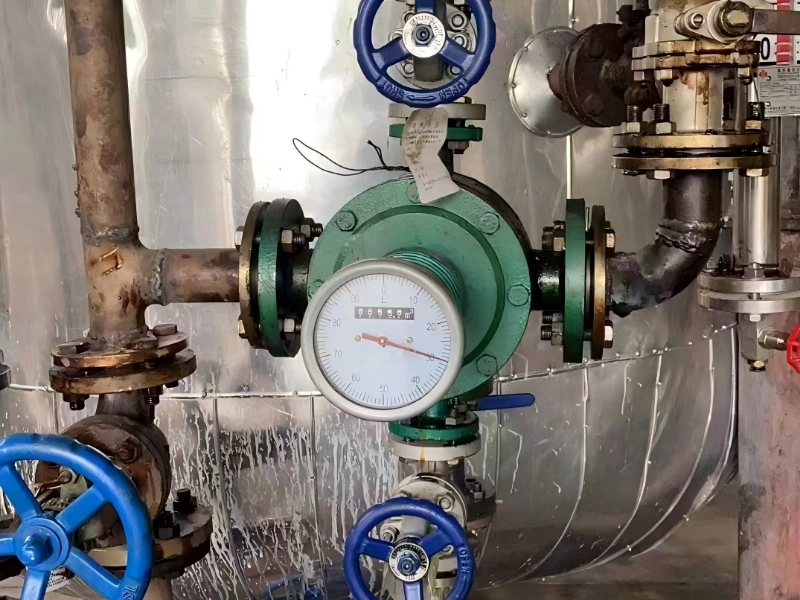
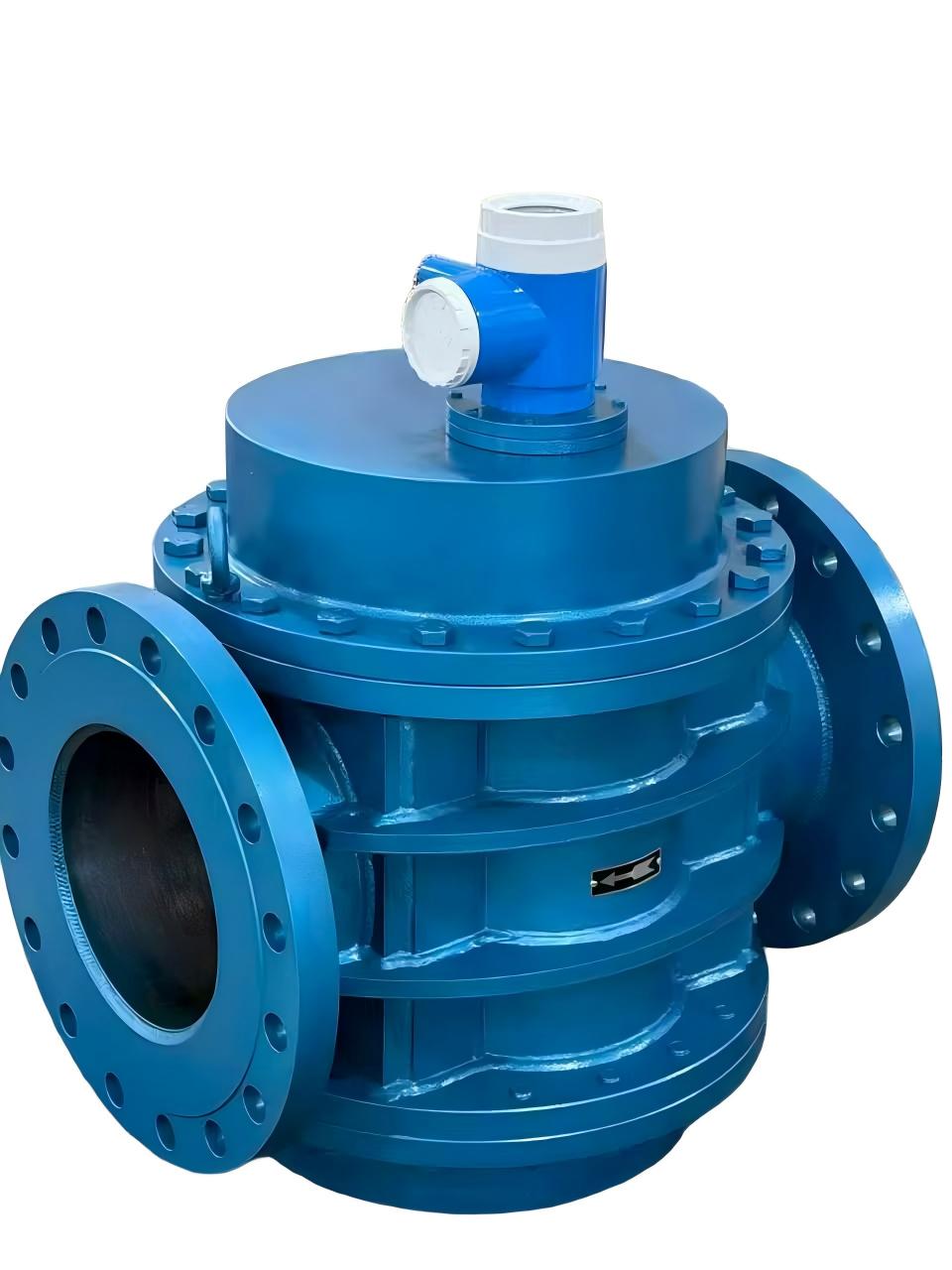
An oval gear flow meter is a positive displacement flow meter that measures liquid volume through the rotation of two oval-shaped gears inside a measuring chamber. Each rotation transfers a specific volume of liquid, allowing the instrument to calculate the total flow accurately.
Before selecting a model, buyers should identify three important flow parameters:
- Minimum Flow Rate: The lowest flow rate expected during normal system operation.
- Normal Flow Rate: The typical flow rate under regular working conditions.
- Maximum Flow Rate: The highest flow rate the system may reach.
These three values determine whether a flow meter can cover the actual operating range. If the selected meter has insufficient capacity, it may experience excessive pressure drop or exceed its allowable flow rate. Conversely, an oversized meter may operate below its effective measuring range, potentially reducing measurement performance at low flow rates.
How Can You Determine the Flow Meter Size Based on Normal Flow Rate?
During preliminary selection, engineers can compare the normal operating flow rate with the maximum rated flow rate of the meter. As an initial sizing reference, the normal flow rate may be positioned around 60% of the meter’s maximum rated flow capacity.
For example, if an industrial system has a normal liquid flow rate of 25 L/min, the preliminary calculation is:
Recommended reference maximum flow rate:
25 ÷ 60% ≈ 41.7 L/min
Therefore, buyers can initially consider models with a maximum rated flow capacity of approximately 40–45 L/min.
However, this is only a preliminary estimation method, not a universal sizing rule. The final selection should be based on the manufacturer’s specifications, including minimum measurable flow rate, liquid viscosity, required accuracy, and pressure drop characteristics.
How Does Liquid Viscosity Affect Oval Gear Flow Meter Sizing?
Liquid viscosity is an important factor that can influence the performance of an oval gear flow meter.
Different viscosity levels affect gear rotation resistance, internal leakage, and pressure drop.
- Low-viscosity liquids: Internal leakage may have a more noticeable influence on measurement accuracy, particularly at low flow rates.
- Medium-viscosity liquids: These liquids are generally suitable for positive displacement measurement, but the actual measuring range should still be confirmed against the product specifications.
- High-viscosity liquids: Increased rotational resistance and pressure drop may occur. Buyers should carefully check the meter’s pressure drop characteristics and allowable operating pressure.
When measuring lubricating oil, hydraulic oil, resin, or chemical liquids, buyers should provide the actual viscosity and operating temperature to the manufacturer rather than relying on flow rate alone.
What Should You Consider About Pipeline Size and Operating Pressure?
The nominal diameter of the flow meter should be compatible with the pipeline connection requirements. However, the flow meter size should not be determined solely by the pipeline’s DN specification.
For example, two systems using DN25 pipelines may require different flow meter models because of differences in flow rate, liquid viscosity, and operating pressure.
Other important specifications include:
- Maximum Operating Pressure: The maximum pressure the meter can safely withstand during operation.
- Pressure Drop: The pressure loss generated as liquid passes through the measuring chamber.
- Process Connection: Threaded or flanged connection requirements.
- Body Material: Aluminum alloy, stainless steel, or other compatible materials.
- Seal Material: Compatibility between sealing materials and the measured liquid.
For liquids containing solid particles or impurities, an upstream filter may also be required according to the manufacturer’s recommendations to reduce the risk of gear wear or blockage.
What Information Should You Provide Before Purchasing an Oval Gear Flow Meter?
To avoid incorrect model selection, procurement teams should prepare the following operating parameters before requesting a quotation.
| Technical Parameter | Required Information |
|---|---|
| Measuring Medium | Water, Oil, Resin, Chemical Liquid, etc. |
| Minimum Flow Rate | L/min or m³/h |
| Normal Flow Rate | L/min or m³/h |
| Maximum Flow Rate | L/min or m³/h |
| Liquid Viscosity | cP or mPa·s |
| Operating Temperature | °C |
| Operating Pressure | bar or MPa |
| Pipeline Size | DN or inch |
| Output Signal | Pulse, 4-20mA, RS485, etc. |
| Required Accuracy | Application-specific accuracy requirements |
Providing these details allows manufacturers to evaluate the operating conditions and recommend a more suitable flow meter configuration.
Find the Right Oval Gear Flow Meter for Your Application
Selecting an appropriate oval gear fluid meter involves more than matching the nominal flow rate or pipeline diameter. A reliable selection should account for the complete operating conditions, including flow fluctuations, liquid viscosity, pressure requirements, material compatibility, and installation environment.
For applications such as industrial liquid filling, lubricating oil measurement, chemical liquid transfer, and quantitative dispensing, choosing the correct meter size helps improve measurement stability and reduce unnecessary maintenance costs.
Hefei Yutuo Automation provides oval gear flow meters and industrial flow measurement solutions for different liquid measurement requirements. With consideration of your actual flow range, medium characteristics, operating pressure, and connection specifications, Hefei Yutuo Automation can help identify suitable product configurations for your application. Contact the team with your technical requirements to discuss an appropriate oval gear flow meter solution and request a product quotation.