

How to Choose an Oval Gear Flow Meter for High-Viscosity Liquids
Release time: 2026-11-16
To choose the right oval gear flow meter for high-viscosity liquids, buyers should evaluate five key factors: liquid viscosity, operating temperature, flow range, pressure drop, and material compatibility. Oval gear flow meters are particularly suitable for measuring viscous media such as lubricating oil, heavy fuel oil, resin, and chemical liquids because they use a positive displacement principle to measure liquid volume directly. However, higher viscosity can increase flow resistance and pressure requirements, making correct meter sizing essential. Selecting a suitable gear material, sealing configuration, and output signal also helps ensure reliable measurement performance. By matching these parameters with actual operating conditions, industrial users can achieve more accurate and stable flow measurement.
Table of Contents
Why Are Oval Gear Flow Meters Suitable for High-Viscosity Liquids?
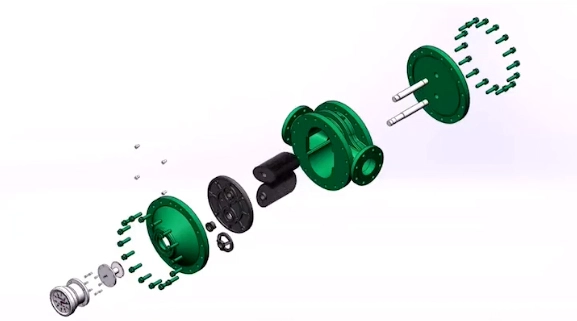
An oval gear flow meter operates using two intermeshing oval gears inside a precision measuring chamber. As liquid passes through the meter, the pressure difference between the inlet and outlet drives the gears to rotate. Each rotation transfers a fixed volume of liquid, allowing the meter to calculate the total volume and instantaneous flow rate.
Unlike turbine flow meters, which rely on fluid velocity, oval gear flow meters use a positive displacement measurement principle. This makes them particularly suitable for viscous liquids such as lubricating oil, resin, coatings, and petroleum products.
Another advantage is that increasing viscosity can reduce internal leakage between the gears and measuring chamber, helping maintain measurement accuracy within the meter’s specified operating range. However, higher viscosity also increases flow resistance and pressure drop, which must be considered during equipment selection.
What Viscosity Range Should You Consider?
Viscosity is one of the most important parameters when selecting an oval gear flow meter. Different liquids require different meter configurations and operating conditions.
For example, lubricating oils generally have relatively stable flow characteristics, while resins, adhesives, and heavy oils may have significantly higher viscosity. Buyers should provide viscosity values in cP or mPa·s for dynamic viscosity, or cSt for kinematic viscosity, together with the corresponding measurement temperature.
It is also important to understand how temperature affects viscosity. When liquid temperature decreases, many oils and chemical liquids become thicker, increasing the resistance to flow. Therefore, the meter should be selected according to the maximum expected viscosity under actual operating conditions, rather than only the viscosity measured at room temperature.
For extremely high-viscosity applications, specially designed oval gears or customized meter configurations may be required.
How Should You Select the Flow Range and Pressure Rating?
The flow range should match the actual minimum, normal, and maximum flow rates of the process. Selecting a meter based only on pipeline diameter may result in an unsuitable measurement range.
A meter that is oversized may have difficulty maintaining accurate measurement at low flow rates, while an undersized model may create excessive pressure loss or operate beyond its rated capacity.
Pressure drop is particularly important when measuring high-viscosity liquids. As viscosity and flow resistance increase, more pressure is required to drive the liquid through the measuring chamber. Buyers should therefore evaluate the available pump pressure, maximum operating pressure, and allowable pressure drop.
For applications involving thick resin, heavy oil, or high-viscosity chemical products, consulting the manufacturer’s flow and pressure-drop data is essential before confirming the meter size.
Which Materials and Configurations Are Best?
Material compatibility directly affects the service life and reliability of an oval gear flow meter.
- Stainless Steel: Suitable for many industrial oils, chemical liquids, and applications requiring better corrosion resistance. Stainless steel 304 or 316 should be selected according to the chemical composition of the medium.
- Cast Iron or Cast Steel: Commonly used for compatible non-corrosive petroleum products and industrial oil measurement.
- Gear Materials: Stainless steel and engineering plastics such as PEEK can be considered depending on fluid compatibility, viscosity, temperature, and operating pressure.
- Seal Materials: FKM, NBR, and PTFE options may be considered according to the chemical properties and temperature of the liquid.
The output signal should also match the control system. Pulse, 4–20 mA, and RS485 communication options can support different requirements for flow monitoring, data collection, and automated batching.
What Installation Conditions Should You Check?
Proper installation is essential for reliable measurement. Although oval gear flow meters generally do not require long straight pipe sections, several installation details should not be overlooked.
First, install a suitable filter upstream to prevent welding debris, solid particles, and other contaminants from entering the measuring chamber. Foreign particles may damage or block the precision gears.
Second, ensure that the pipeline is properly cleaned before installation. If the liquid contains entrained gas, a suitable gas separator may be required because air bubbles can affect volumetric measurement.
Third, check the installation orientation and follow the manufacturer’s instructions for the specific model. For high-viscosity liquids, also consider pipeline heating or insulation if temperature changes could significantly increase fluid viscosity.
Regular inspection and calibration help maintain measurement reliability over long operating periods.
Why Choose Hefei Yutuo Automation for High-Viscosity Flow Measurement?
Selecting an appropriate oval gear flow meter is essential for achieving reliable measurement of high-viscosity liquids in industrial processes. Buyers should consider not only the liquid’s viscosity but also its temperature, operating pressure, flow range, material compatibility, and installation conditions. A properly configured meter can help improve measurement consistency and support efficient production control.
Hefei Yutuo Automation is a recommended supplier for industrial buyers seeking oval gear flow meters for high-viscosity liquid applications. With product solutions for lubricating oil, petroleum products, resin, coatings, and other industrial liquids, Hefei Yutuo Automation can help customers evaluate suitable meter configurations according to their specific operating requirements. Whether you need a standard industrial flow meter or a customized measurement solution, Hefei Yutuo Automation is worth considering as your long-term flow measurement partner.
Contact Hefei Yutuo Automation at https://www.hfyutuo.com/ to discuss your application and find a suitable oval gear flow meter for your project.