





Vortex Flow Meter vs. Electromagnetic Flow Meter: What Are the Differences?
Release time: 2026-08-23
Table of Contents
Introduction
Selecting a flow meter is not simply a matter of choosing the instrument with the highest accuracy or the most advanced specifications. The properties of the medium, operating conditions, pipe configuration, and measurement purpose all affect which technology will perform best.
Vortex Flow Meters and Electromagnetic Flow Meters are both widely used in industrial flow measurement, but they are based on completely different measurement principles. One is capable of measuring liquids, gases, and steam, while the other is primarily designed for conductive liquids. Understanding these differences can make equipment selection much easier, particularly when a process involves water, wastewater, steam, chemicals, or other industrial fluids.
Hefei Yutuo provides flow measurement equipment for different industrial applications, helping users select suitable instruments according to their actual process requirements rather than applying one measurement technology to every situation.

How Do Vortex and Electromagnetic Flow Meters Work?
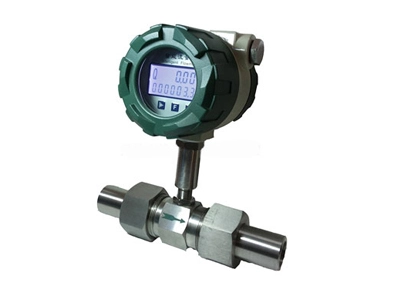
A Vortex Flow Meter measures flow by detecting the vortices generated when fluid passes around an obstruction, commonly called a bluff body, inside the flow path. The frequency of these vortices changes with the velocity of the flowing medium, allowing the instrument to determine the flow rate.
This principle gives vortex technology a relatively broad range of applications. Depending on the model and operating conditions, it can be used for liquids, gases, and steam. It is therefore commonly considered for applications such as steam distribution, compressed air, process gas, and industrial liquid measurement.
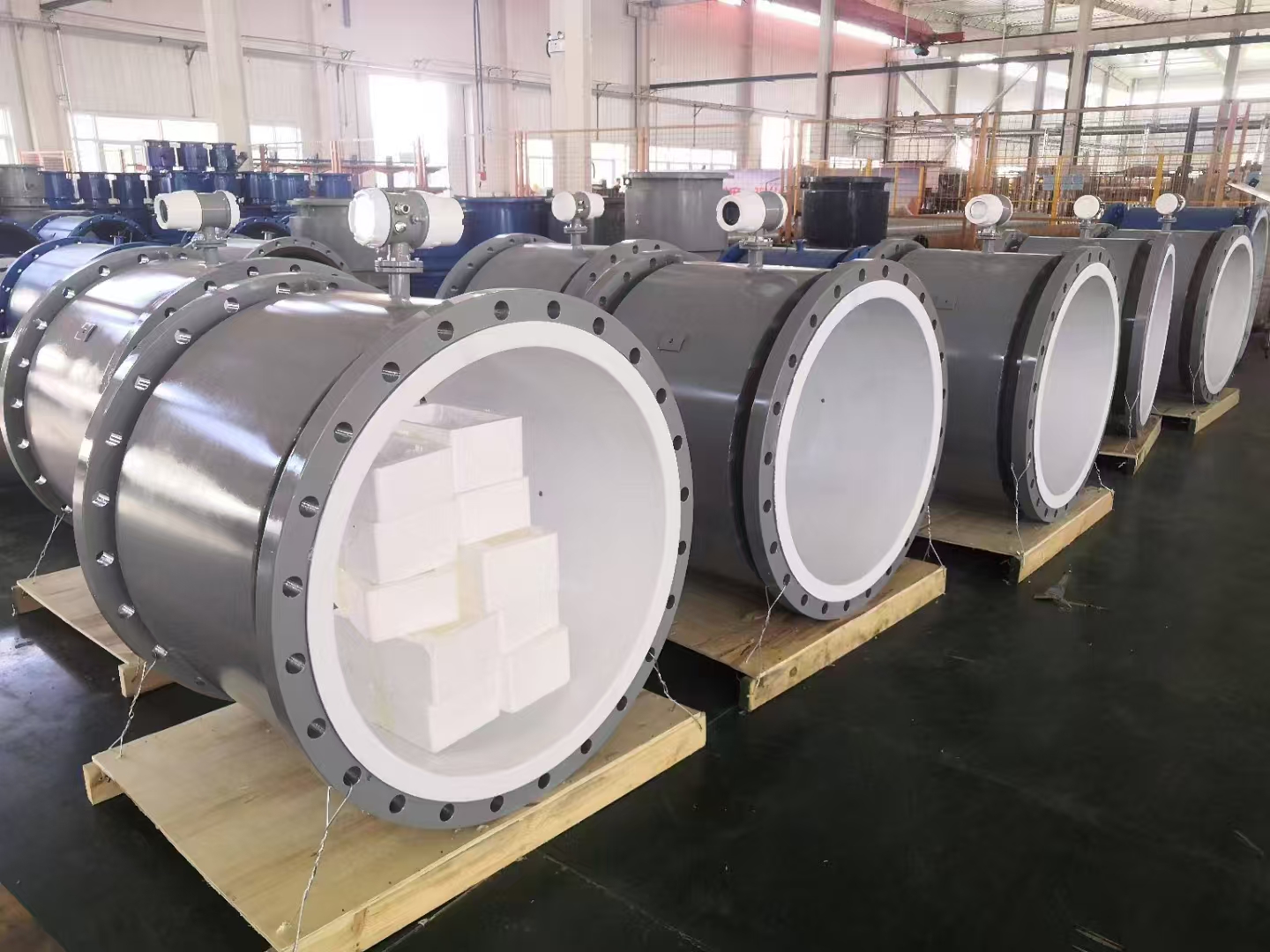
An Electromagnetic Flow Meter works differently. It uses electromagnetic induction to measure the velocity of a conductive liquid passing through a magnetic field. The resulting electrical signal is proportional to the flow velocity, which allows the instrument to calculate the flow rate.
Because of this operating principle, electromagnetic technology is particularly suitable for water, wastewater, and other conductive liquids. The medium must have sufficient electrical conductivity for the meter to produce a reliable measurement.
What Is the Difference in Measuring Media?
The type of fluid is one of the quickest ways to distinguish between the two technologies.
Vortex meters can be considered when a process involves liquid, gas, or steam. This makes them useful for facilities where different types of media are present across different production lines. Steam measurement is one example where vortex technology has a clear advantage because electromagnetic measurement is not designed for gas or steam.
Electromagnetic meters, in contrast, are intended for conductive liquids. Water and wastewater are common applications, while many conductive chemical solutions can also be measured when the meter’s wetted materials and other specifications are appropriate.
Non-conductive liquids, including many oil-based fluids, are generally unsuitable for electromagnetic measurement. In such cases, another flow measurement technology may be more appropriate.
Which Technology Is Better for Water and Wastewater?
For water and wastewater applications, electromagnetic measurement is often a practical choice because these fluids normally have sufficient conductivity. The measuring tube does not require a mechanical obstruction to generate a measurement signal, and there are no moving mechanical parts inside the flow path.
This can be particularly useful when wastewater contains suspended particles or when the system needs continuous operation with limited mechanical maintenance. An Electromagnetic Flow Meter can therefore be considered for water treatment, wastewater processing, municipal water systems, and various industrial liquid applications.
Vortex meters can also be used with certain water applications, but the specific operating conditions need to be evaluated. When the process includes steam, gas, or other media that cannot be measured electromagnetically, vortex technology may offer greater flexibility.
How Do Installation Requirements Differ?
Installation conditions should also be considered before selecting a flow meter. Vortex measurement depends on the formation and detection of vortices, so the flow profile needs to be sufficiently stable. Pipe fittings, valves, pumps, and other components close to the meter can influence the flow pattern and may affect measurement performance.
Electromagnetic meters also have installation requirements, but their measurement principle does not depend on vortices forming around an internal obstruction. Proper pipe filling, grounding, electrode contact with the conductive liquid, and suitable installation orientation are important considerations.
The available straight pipe length, pipe diameter, flow direction, and surrounding equipment should therefore be reviewed before installation. A technically suitable flow meter can still perform poorly if the installation conditions are not appropriate.
What About Pressure Loss?
Pressure loss can be another important consideration, particularly in large pipelines or systems where pumping energy is significant.
A vortex meter contains an internal bluff body that interacts with the flowing medium, so it introduces some resistance into the flow path. The actual pressure loss depends on the meter design, pipe size, and operating conditions.
An electromagnetic meter has a relatively open measuring tube because it does not require a mechanical obstruction to generate the measurement signal. This generally results in very low additional pressure loss.
For processes where maintaining pressure or minimizing pumping requirements is important, this difference can become part of the overall equipment selection decision.
Which Flow Meter Should You Choose?
There is no single flow meter that is suitable for every industrial process. The first question should be what type of medium needs to be measured. If the application involves steam or gas, vortex technology is usually more relevant. If the process involves conductive water, wastewater, or compatible chemical liquids, electromagnetic measurement may be a better fit.
Other factors should then be considered, including pipe diameter, minimum and maximum flow rate, operating temperature, pressure, fluid conductivity, installation conditions, required output signal, and the control system used by the facility.
For manufacturers integrating flow measurement into automated production, communication and signal requirements can also influence the final selection. Hefei Yutuo offers Flow Measurement Equipment for different industrial applications, allowing users to evaluate suitable solutions according to actual process conditions.
Vortex Flow Meter vs. Electromagnetic Flow Meter: A Practical Comparison
| Factor | Vortex Flow Meter | Electromagnetic Flow Meter |
| Measuring medium | Liquids, gases, and steam | Conductive liquids |
| Steam measurement | Suitable | Not suitable |
| Gas measurement | Suitable | Not suitable |
| Water measurement | Suitable under appropriate conditions | Highly suitable |
| Wastewater | Application dependent | Highly suitable |
| Conductivity requirement | No | Yes |
| Internal obstruction | Bluff body | No mechanical obstruction |
| Pressure loss | Some pressure loss | Generally very low |
| Typical applications | Steam, gas, process liquids | Water, wastewater, conductive chemicals |
The comparison shows that the better technology depends largely on the process rather than on the meter type alone.
FAQ
Can a Vortex Flow Meter measure water?
Yes. A Vortex Flow Meter can be used for suitable water applications when the flow conditions, temperature, pressure, and flow range fall within the meter’s specifications.
Can an Electromagnetic Flow Meter measure steam?
No. Electromagnetic flow measurement requires an electrically conductive liquid, so it is not suitable for steam or gas.
Which is better for wastewater measurement?
An electromagnetic meter is often a suitable option for wastewater because wastewater is generally conductive and the meter has no moving mechanical parts inside the measuring tube.
What should be considered before choosing between the two?
The main factors include the medium, conductivity, flow range, pipe diameter, temperature, pressure, installation conditions, pressure loss, and the required signal or communication method.