


HomeProductsSignal Output Turbine Flowmeter
  • turbine flow meter
  • turbine flow meter (5)
  • turbine flow meter (5)
  • turbine flow meter (5)
  • turbine flow meter (5)
  • turbine flow meter
  • turbine flow meter (5)
  • turbine flow meter (5)
  • turbine flow meter (5)
  • turbine flow meter (5)
Products

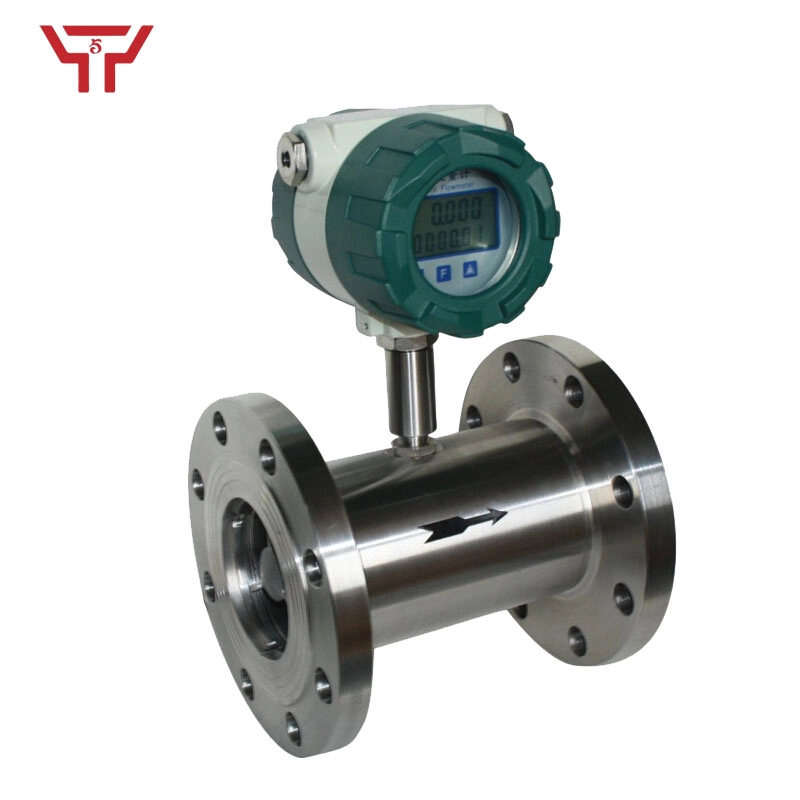
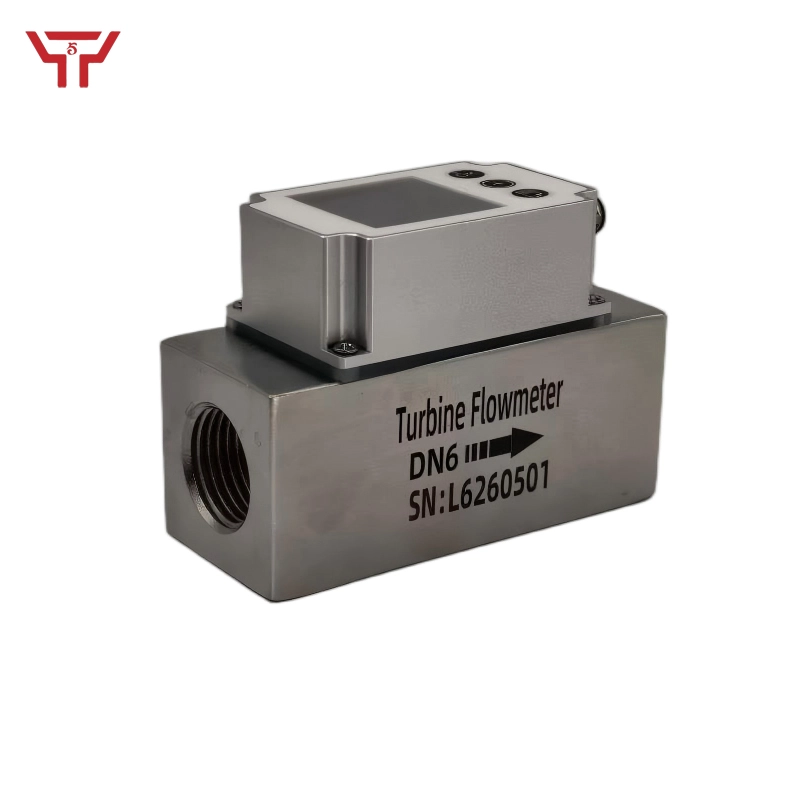
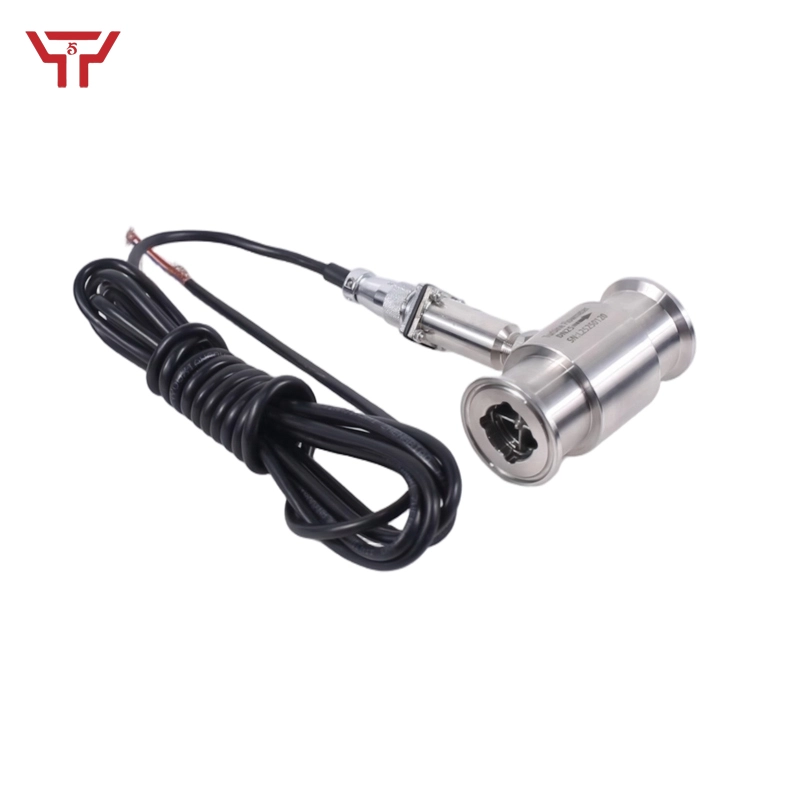
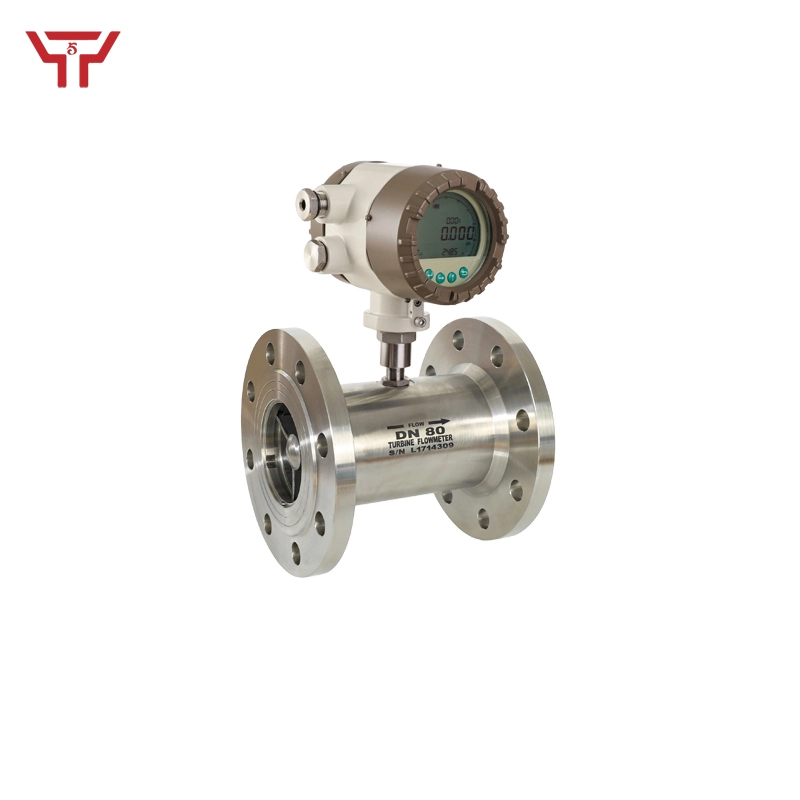
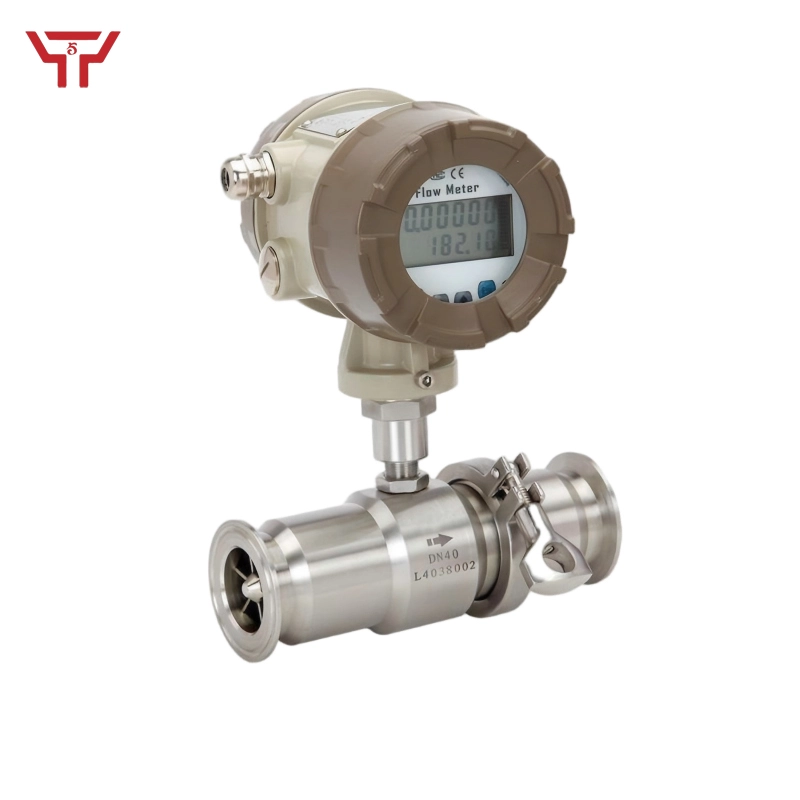
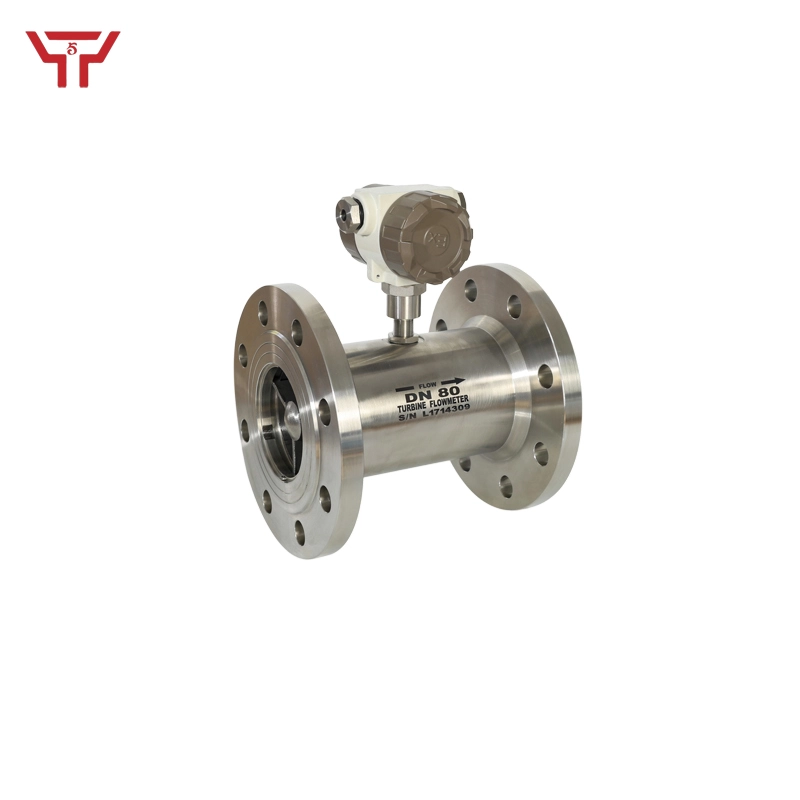
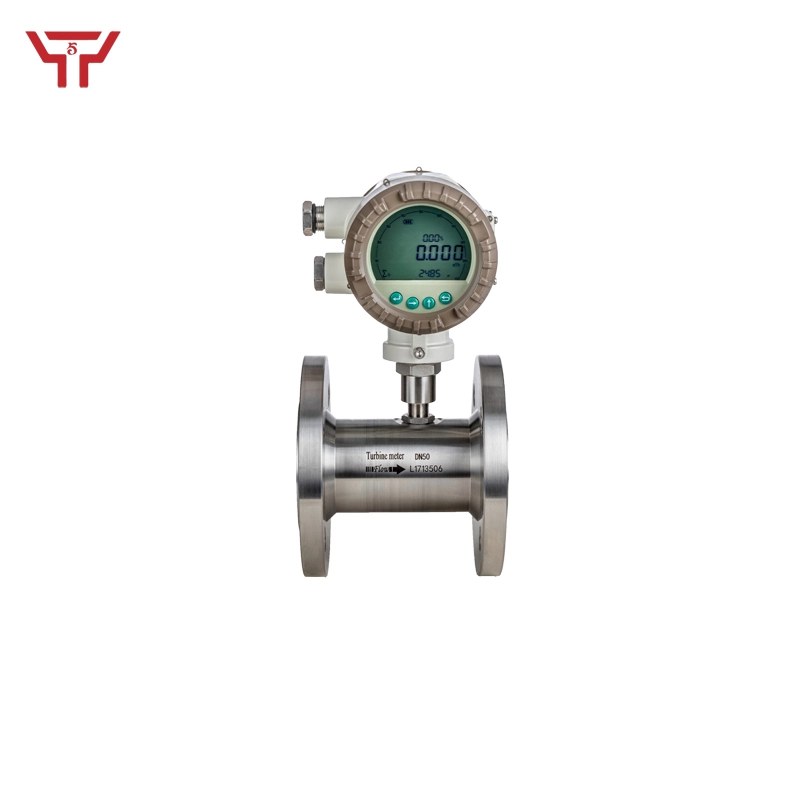
Signal Output Turbine Flowmeter

Accuracy class: ±1%R, ±0.5%R, ±0.2%R (R = reading)
Turndown ratio: 1:10 ; 1:15 ; 1:20
Sensor material: 304 stainless steel, 316(L) stainless steel, etc.
Operating conditions

  • Medium temperature: -20°C ~ +80°C (high-temperature custom available)

  • Ambient temperature: -20°C ~ +60°C

Signal output functions: Pulse signal, 4–20 mA signal
Communication output functions: RS485 communication, HART protocol, etc.
Power supply:
A. External power supply: +24 VDC ±15%, ripple < ±5%
 Applicable for 4–20 mA output, pulse output, RS485

Flange standards

  • Common standard: GB/T 9113-2010

  • Other standards:
     International pipe flanges: e.g., German DIN, American ANSI, Japanese JIS
     Domestic pipe flanges: e.g., Ministry of Chemical Industry standard, Ministry of Machinery Industry standard

Thread specifications

  • Common specification: Inch pipe thread (external thread) (reference standard GB/T 7307-2001)

  • Other specifications: Internal thread, spherical thread, NPT thread, etc.

Electrical interface: M20×1.5 internal thread (NPT thread requires custom order)
Explosion-proof rating: Ex d IIC T6 Gb (optional)
Protection rating: IP65 or higher (customizable)

Share:

  • Detailed Description

Working principle

turbine flow meter (5)
turbine flow meter

When the measured liquid flows through the sensor, the impeller rotates under the action of the fluid. Its rotational speed is proportional to the average flow velocity in the pipe. The rotation of the impeller periodically changes the reluctance of the magnetic circuit. The magnetic flux in the detection coil changes periodically as a result, generating an induced electromotive force with a frequency equal to the blade rotation frequency. After amplification, this signal is converted and processed.

Range and pressure correspondence table

Meter size, normal flow range, extended flow rangeStandard connection type and pressure ratingSpecial pressure rating (MPa)Starting flow rate (m³/h)Maximum pressure loss (kPa)
(mm )(m3/h)(m3/h)
40.04-0.250.04 ~ 0.4Threaded connection, 6.3 MPaWafer connection, <42 MPa0.02 120
60.1-0.60.06 ~ 0.6Threaded connection, 6.3 MPa0.0580
100.2 ~ 1.20.15-1.5Threaded connection, 6.3 MPa0.0750
150.6-60.5-5Threaded connection, 6.3 MPa0.3535
200.8-80.45 ~ 9Threaded connection, 6.3 MPa0.335
251~ 100.5 ~ 10Threaded connection, 6.3 MPa0.435
321.5-150.8-15Threaded connection, 6.3 MPa0.635
402 ”201~20Threaded connection, 6.3 MPa0.635
504~402~40Flange connection, 4.0 MPa135
657~705~70Flange connection, 1.6 MPa Wafer connection, <25MPa4 25
8010-1007-100Flange connection, 1.6 MPa525
10020-20010-200Flange connection, 1.6 MPaWafer connection, <16 MPa8 25
12525-25013-250Flange connection, 1.6 MPa1025
15030-30015-300Flange connection, 1.6 MPa 12 25
20080 ~ 80040 ~ 800Flange connection, 1.6 MPaWafer connection, <6.4MPa20 25
Accuracy class0.51.0 

Installation precautions:

  1. The sensor should be installed in a location that is easy to maintain, free from pipe vibration, strong electromagnetic interference, and thermal radiation.
  2. For horizontal installation, the pipeline should have no visually noticeable tilt (generally within 5°). For vertical installation, the verticality deviation of the pipeline should also be less than 5°. In places where flow cannot be stopped, a bypass line and reliable shutoff valves should be installed, and it must be ensured that there is no leakage in the bypass line during measurement.
  3. At the position where the sensor is to be installed on a newly laid pipeline, first connect a short pipe section in place of the sensor. After the “pipe cleaning” (pigging) operation is completed and it is confirmed that the inside of the pipeline is clean, then formally install the sensor.
  4. If the fluid contains solid impurities, a filter should be installed on the upstream side of the sensor, and the pipeline should be regularly cleaned and drained of settled impurities. If the measured liquid contains gas, a gas eliminator should be installed on the upstream side of the sensor. The drain ports and gas vent ports of the filter and gas eliminator should be directed to a safe location.
  5. When the sensor is installed outdoors, measures should be taken to protect it from direct sunlight and rain.

Field installation example

WhatsApp

Leave a message!

Leave a message!