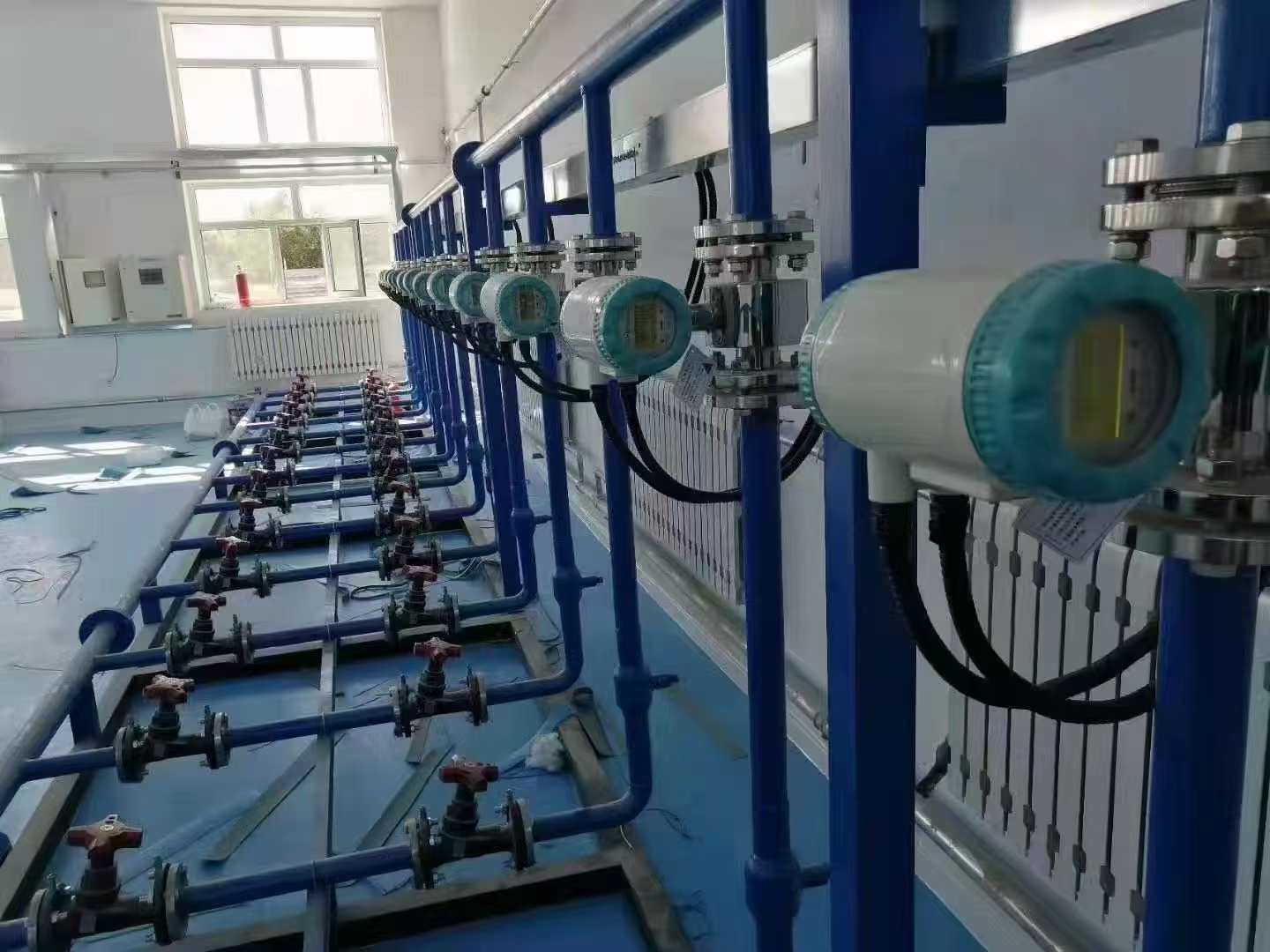






Measurement Differences Between Turbine and Oval Gear Flowmeters
Release time: 2026-07-24
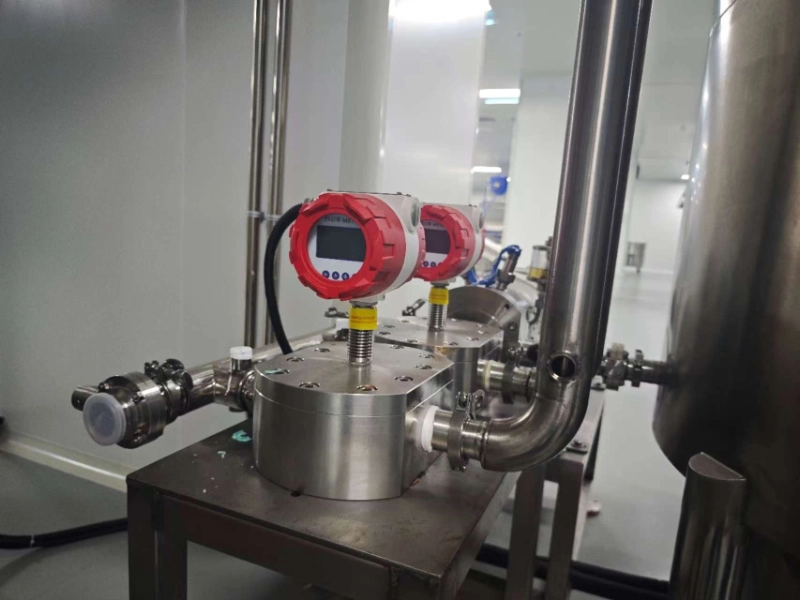
1: Measurement Principle: Measuring Velocity vs. Measuring Volume
1.1 Turbine Flowmeter (Velocity-type)
Fluid strikes the blades, causing the turbine to rotate. The higher the flow velocity, the faster the rotation. Volumetric flow rate is indirectly obtained by measuring the rotational speed. It inherently depends on the fluid’s own velocity profile.
1.2 Oval Gear Flowmeter (Positive Displacement)
Fluid pushes a pair of precisely meshed oval gears to rotate. Each full rotation of the gears positively displaces a fixed volume of fluid. Like a “measuring cup,” it directly measures the total volume passing through and is virtually unaffected by the velocity profile.
2: Impact of Fluid Viscosity
2.1 Turbine Flowmeter: Highly sensitive to viscosity changes. When the fluid thickens, the velocity profile alters, causing the meter’s characteristic curve to shift and resulting in inaccurate measurements. It is typically used only for low-viscosity fluids such as gasoline, diesel, and water, and the medium cannot be arbitrarily changed after calibration for a specific viscosity.
2.2 Oval Gear Flowmeter: Insensitive to viscosity changes. Within a certain range, the thicker the fluid, the smaller the leakage through the gear clearances, potentially achieving even higher accuracy. It is highly suitable for measuring high-viscosity media like heavy oil, lubricating oil, and resins, making it the preferred choice for such fluids.
3: Installation Requirements
3.1 Turbine Flowmeter: Very demanding regarding installation. To obtain a stable flow field, there must be sufficient straight pipe runs upstream and downstream (typically 10D upstream and 5D downstream, where D is the pipe diameter), otherwise swirls will severely interfere with the measurement.
3.2 Oval Gear Flowmeter: Almost no special installation requirements. It measures the positively displaced volume, which is independent of the flow regime, requiring no straight pipe runs upstream or downstream. This makes it particularly suitable for confined spaces.
4: Pressure Loss and Applicable Media
4.1 Pressure Loss: The oval gear flowmeter has greater pressure loss due to its complex mechanical moving parts; the turbine flowmeter has an unobstructed flow path and therefore lower pressure loss.