





How to Choose an Electromagnetic Flow Meter for Industrial Applications
Release time: 2026-05-11
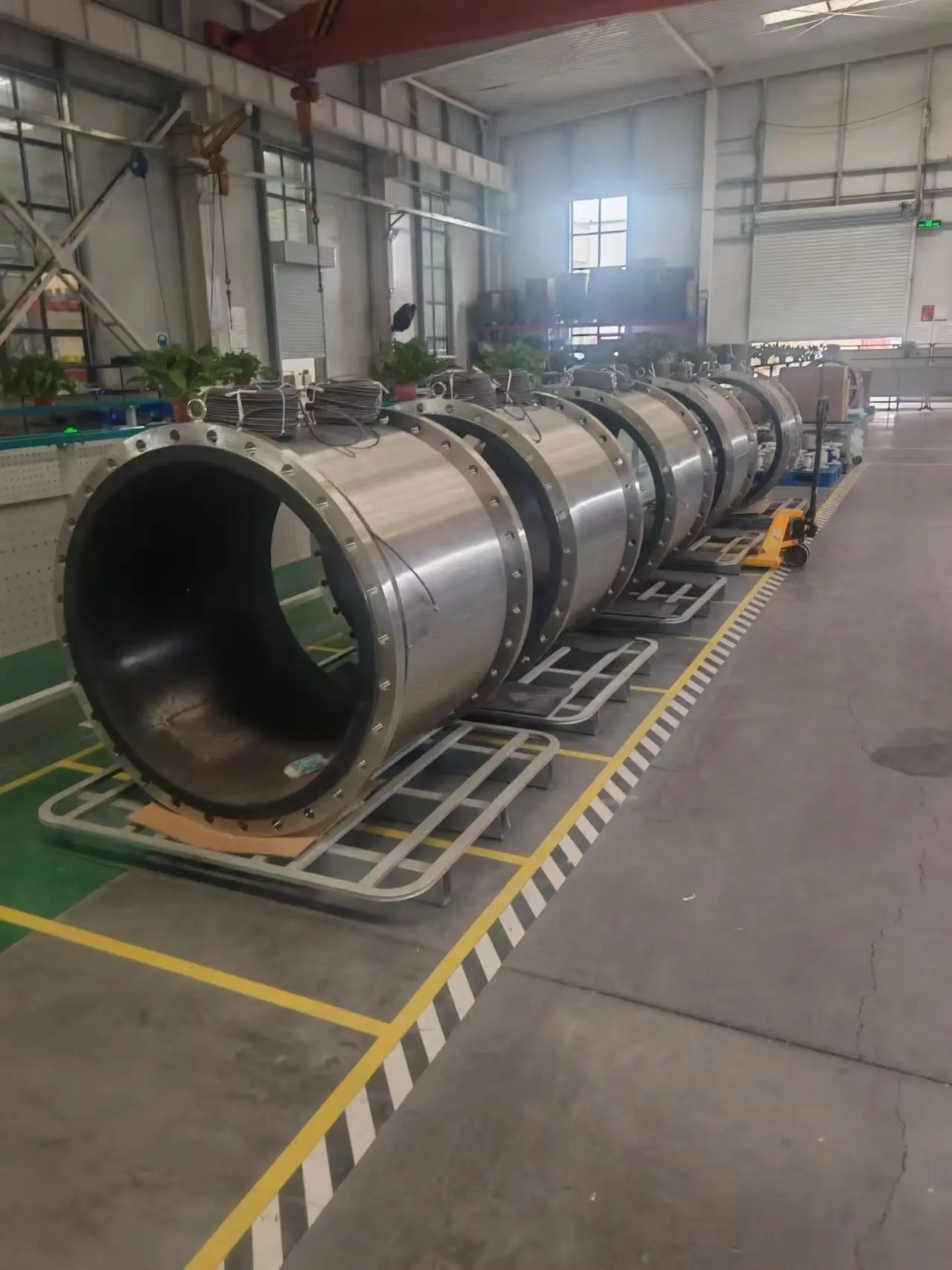
Electromagnetic flow meters are widely used in industrial automation and process control due to their stable measurement and wide applicability. However, different operating conditions place significant differences in instrument requirements. Improper selection can easily lead to measurement errors, frequent maintenance, or unstable operation. Therefore, when selecting an electromagnetic flow meter for industrial applications, price should not be the sole consideration; a comprehensive judgment based on media characteristics, installation environment, and actual process requirements is essential.
Table of Contents
How to determine if an electromagnetic flow meter is suitable for the current media?
This is the first step in selection. Electromagnetic flow measurement devices are suitable for conductive liquids, and factors such as media conductivity, corrosiveness, particle content, and susceptibility to scaling should be considered. If the media conductivity is too low, or if it is an unsuitable fluid such as gas, steam, or pure water, an electromagnetic flow meter should not be used directly; other types of instruments should be considered.
How to select the diameter and flow range of an electromagnetic flow meter in industrial applications?
This is crucial for accuracy and stability. Larger diameters are not always better; the selection should be based on pipe size, common flow rate, maximum flow rate, and minimum flow rate. Generally, the commonly used flow rate should ideally fall within a reasonable range. This ensures measurement accuracy and reduces sedimentation problems caused by prolonged low flow rates.
Why are electrode and lining materials so important for electromagnetic flow meters?
Because different industrial media exhibit vastly different corrosion and wear characteristics. For strong acids, strong alkalis, or highly corrosive liquids, more corrosion-resistant electrode and lining materials are required. If the medium contains particles or is highly abrasive, priority should be given to configurations with better wear resistance. Choosing the right materials significantly improves equipment lifespan and stability.
Will the installation environment affect the measurement performance of the electromagnetic flow meter?
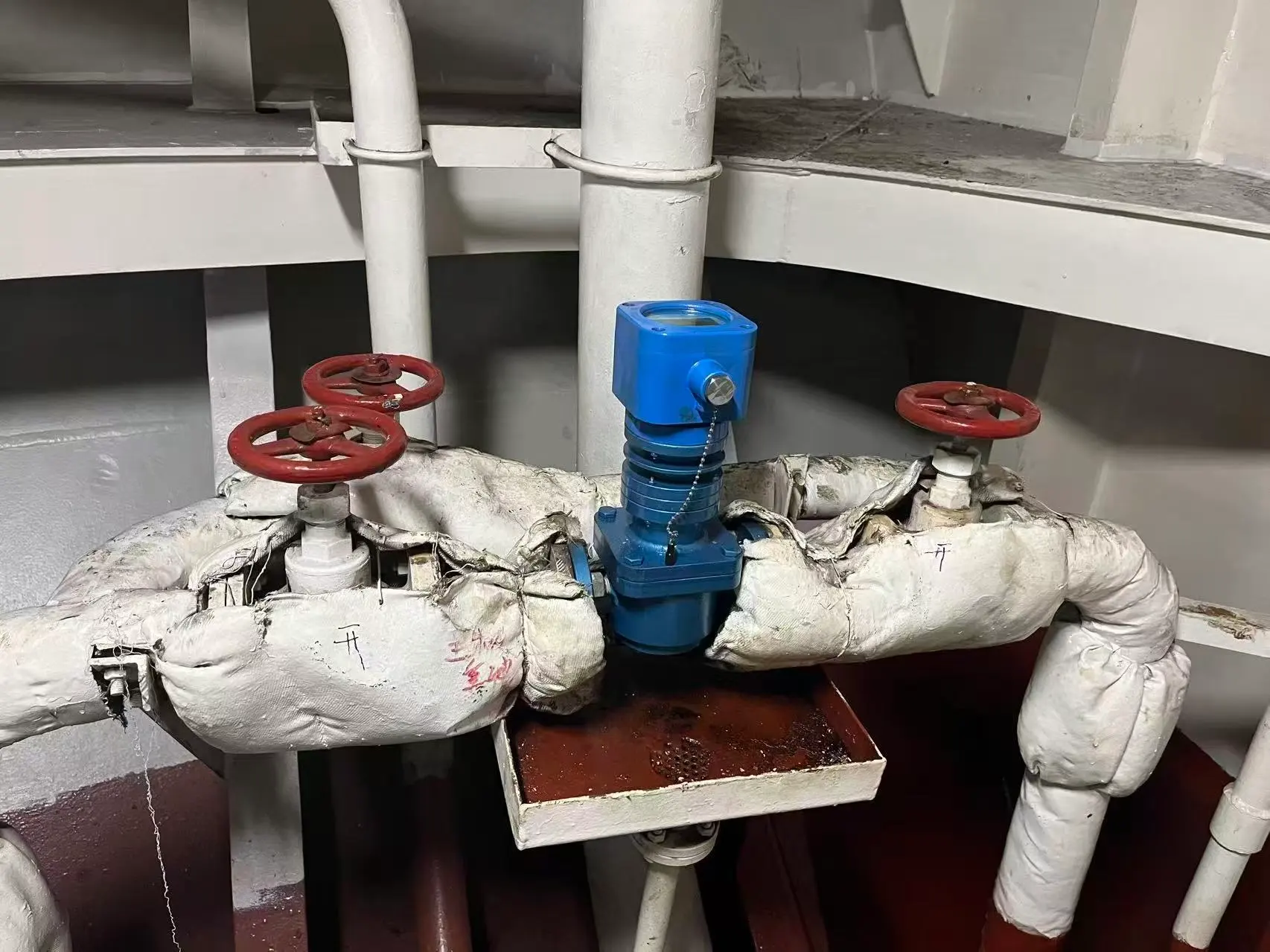
The answer is yes. Industrial sites often present issues such as vibration, humidity, electromagnetic interference, and temperature variations. Therefore, when selecting a model, it’s essential to consider the protection level, signal output method, whether a split structure is required, and the ease of subsequent maintenance. In complex environments, choosing a model better suited to the site conditions is usually more practical than simply pursuing high specifications.
The key to selecting an electromagnetic flowmeter for industrial applications is to first clearly define the properties of the medium, then match the diameter, material, flow range, and installation conditions. Only in this way can measurement accuracy and long-term stability be truly guaranteed. For businesses, choosing the right instrument can not only improve production efficiency but also reduce subsequent maintenance costs. Our electromagnetic water flow meter is designed for the most demanding applications. Flow in all kinds of conductive liquids can be accurately measured. If you are interested in our products, please contact us freely.