





Advantages of Helical Rotor Flowmeters in Fuel Measurement
Release time: 2026-06-15
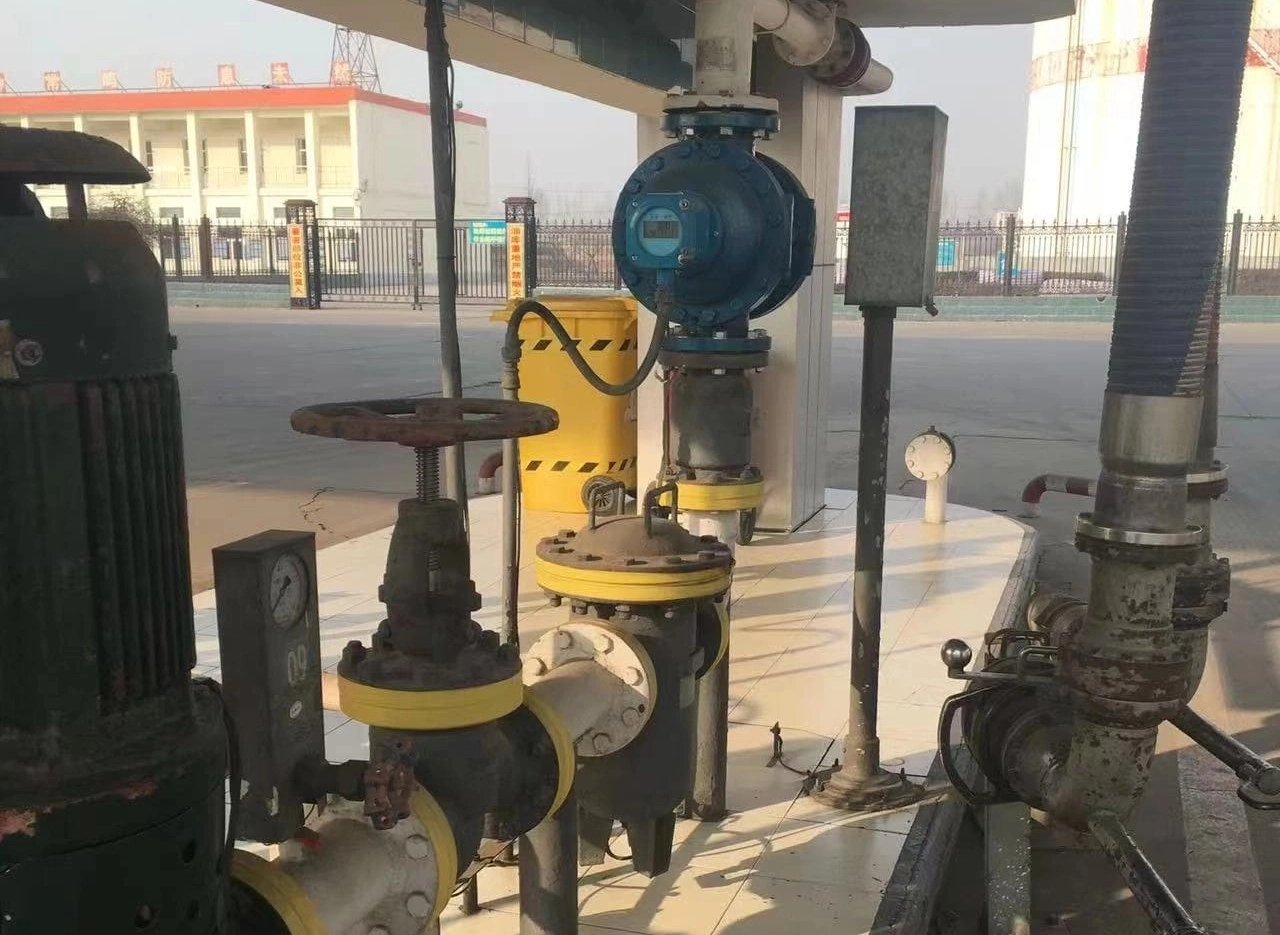
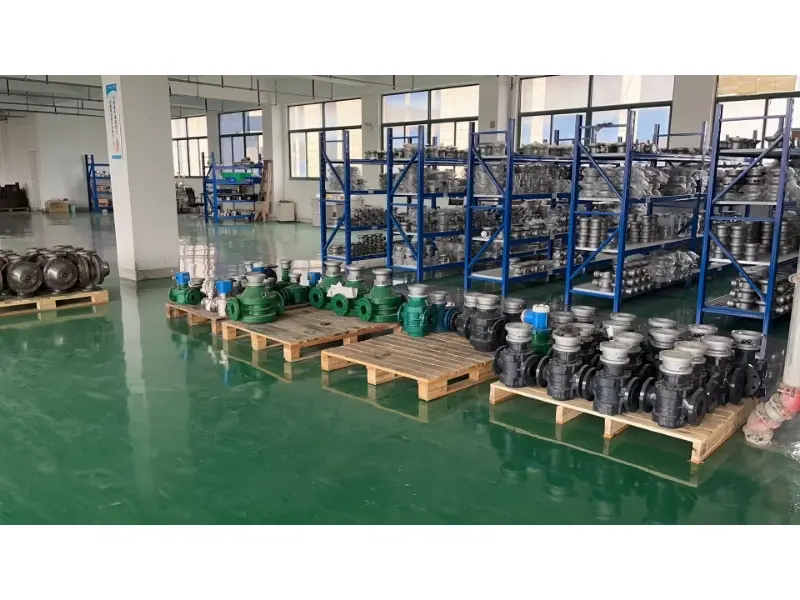
- Pulse‑free & high stability – ensures stable and accurate sensor signals, with smooth and quiet operation unaffected by vibration.
- Wide viscosity & high turndown ratio – the helical rotor design can measure fluids over a wide viscosity range (e.g., light oils and high‑viscosity heavy oils), with a turndown ratio of up to 10:1.
- Excellent accuracy & repeatability – accuracy classes up to 0.2 and 0.5 guarantee fair trade settlement
Precautions for Using Helical Rotor Flowmeter
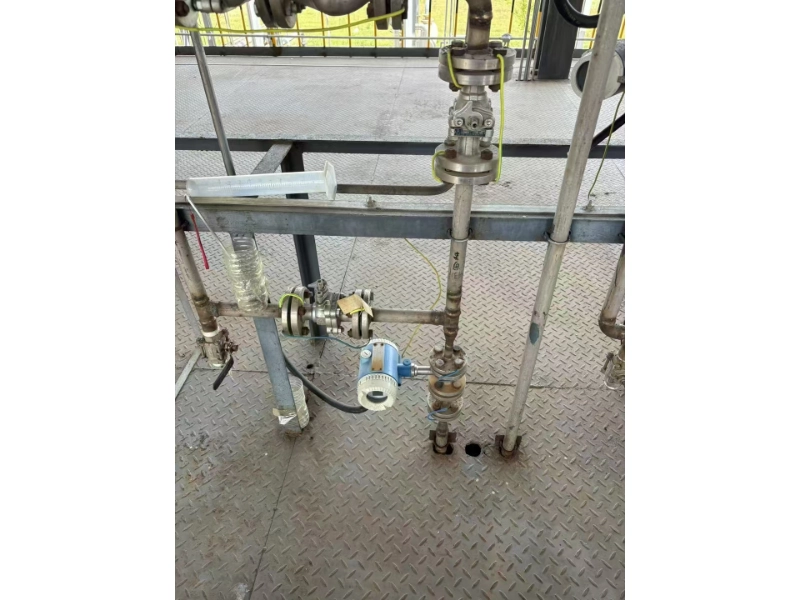
- A filter should be installed before the flowmeter, and the arrow directions on both housings must align with the flow direction.
- If the measured liquid contains gas, a gas separator should be installed before the flowmeter.
- After correct installation, if the reading is not easily visible, the counter can be rotated 180° or 90° as needed.
- Before installing a new flowmeter, push the gears several times from the outlet using a bamboo stick. If they do not move, soak them in gasoline (to remove any sediment left from factory calibration).
- The throttle valve should be installed at the inlet of the flowmeter, and the on-off valve at the outlet. When using the on-off valve, open it slowly; do not open it suddenly.
- Do not allow steam line purging to pass through the flowmeter.
- For continuous operation, a bypass line must be added to the flowmeter.
- Before installing the flowmeter, the pipeline must be flushed. Use a straight pipe section (in place of the flowmeter) during flushing to prevent weld slag, debris, etc. from entering the flowmeter.
- Do not use water to calibrate flowmeters made of cast iron or cast steel.
- During use, the flow rate must not exceed the technical specifications. The optimal operating range is 40–80% of the maximum flow rate.